
If your goal is to build bigger arms, your bicep workouts need to do more than just look good on paper. The exercises you choose, the way you structure your routine, and how consistently you train all play a role in how quickly you see results. The biceps are one of the most trained muscle groups, but also one of the most misunderstood. Many people spend months doing curls without seeing real growth. The difference comes down to using the right movements, training with intent, and following a structure that actually supports muscle development.
At TruFit Athletic Clubs, members focus on training that delivers results. With access to strength equipment, functional training areas, and group fitness classes, building stronger arms becomes part of a complete and sustainable fitness routine.
What Actually Builds Bigger Biceps
To grow your biceps, you need to focus on three key factors: tension, range of motion, and progression. Tension comes from controlled movement and proper form. Swinging the weight or rushing through reps reduces how much work your biceps actually do.
Range of motion ensures the muscle is fully stretched and contracted during each rep. Partial reps limit growth and slow your progress. Progression means gradually increasing the challenge over time. This can come from adding weight, increasing reps, or improving control. When these three elements are in place, your bicep workouts become far more effective.
The Best Bicep Workouts for Size and Strength
The top-ranking workout programs all include a mix of heavy lifts and targeted isolation exercises. This combination allows you to build both strength and definition.
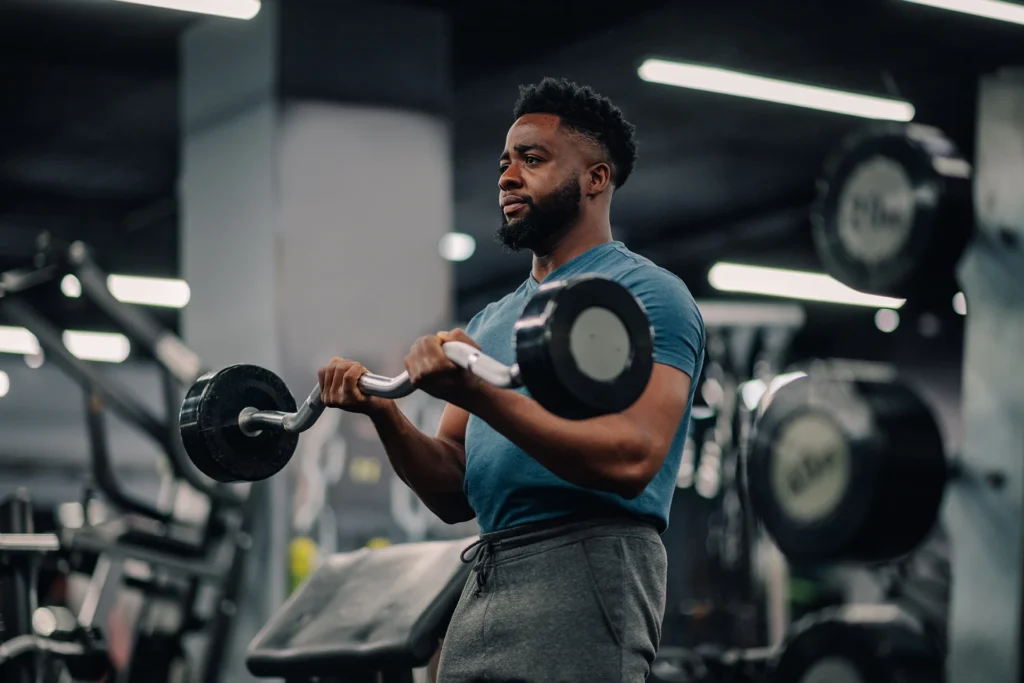
Barbell Curls for Maximum Strength
Barbell curls are one of the most effective exercises for building overall bicep mass. They allow you to lift heavier weights than most other curl variations, which helps stimulate muscle growth. Keep your elbows stable and avoid swinging the bar. The goal is to keep constant tension on the biceps from start to finish.
Dumbbell Curls for Balance and Control
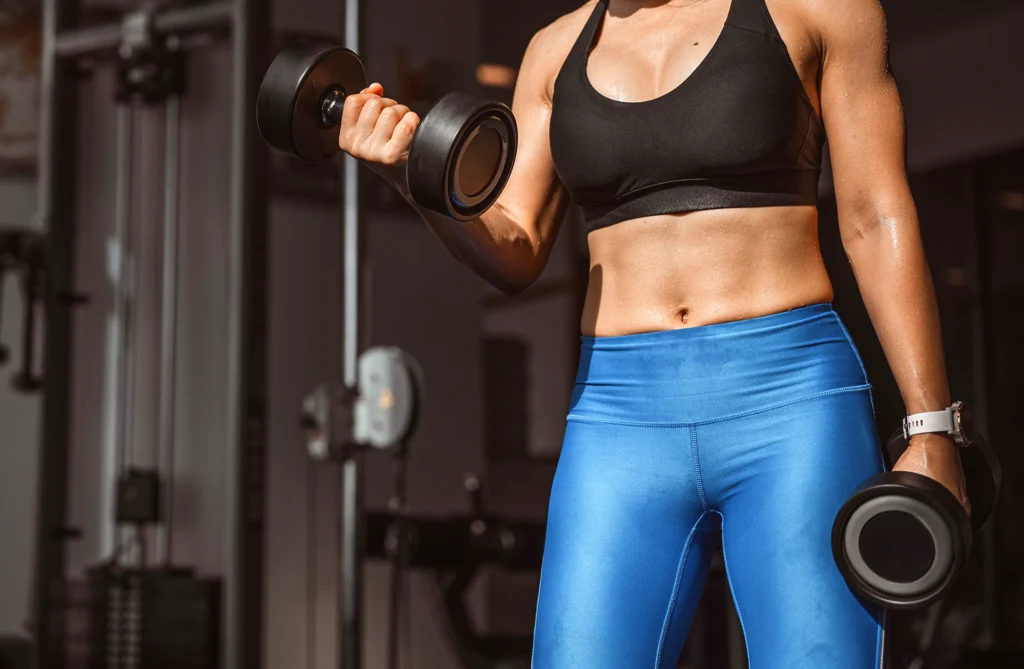
Dumbbell curls help correct imbalances between arms and allow for a more natural range of motion. Alternating curls also improve coordination and control. This movement is a core part of any effective bicep workout and works well for both beginners and experienced lifters.
Hammer Curls for Thicker Arms
Hammer curls target the brachialis, a muscle that sits underneath the biceps. Developing this area helps push the biceps up, creating the appearance of larger arms. They also improve grip strength and support pulling exercises.
Concentration Curls for Better Definition
Concentration curls are one of the best exercises for isolating the biceps. By removing momentum, you force the muscle to do all the work. This exercise is especially useful for improving muscle definition and control.
Cable Curls for Constant Tension
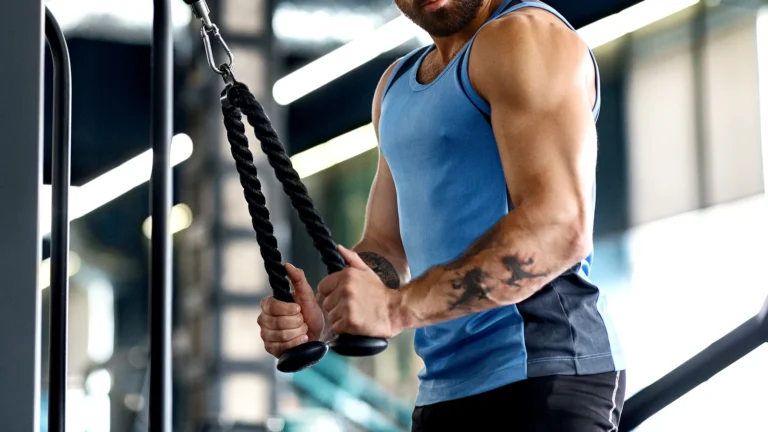
Cable curls keep tension on the biceps throughout the entire movement. Unlike free weights, where tension can drop at certain points, cables maintain resistance from start to finish. This makes them highly effective for increasing time under tension and improving muscle activation.
A Simple Bicep Workout Routine That Works
To compete with what people are actually searching for, you need a routine that is easy to follow and delivers results.
Here is a proven structure you can use:
- Barbell curls: 4 sets of 6 to 10 reps
- Dumbbell curls: 3 sets of 8 to 12 reps
- Hammer curls: 3 sets of 10 to 12 reps
- Cable curls: 3 sets of 12 to 15 reps
Start with heavier exercises and move toward more controlled, higher-rep movements. This allows you to build strength first, then focus on muscle fatigue and definition. Training biceps two to three times per week will give you the best balance between growth and recovery.
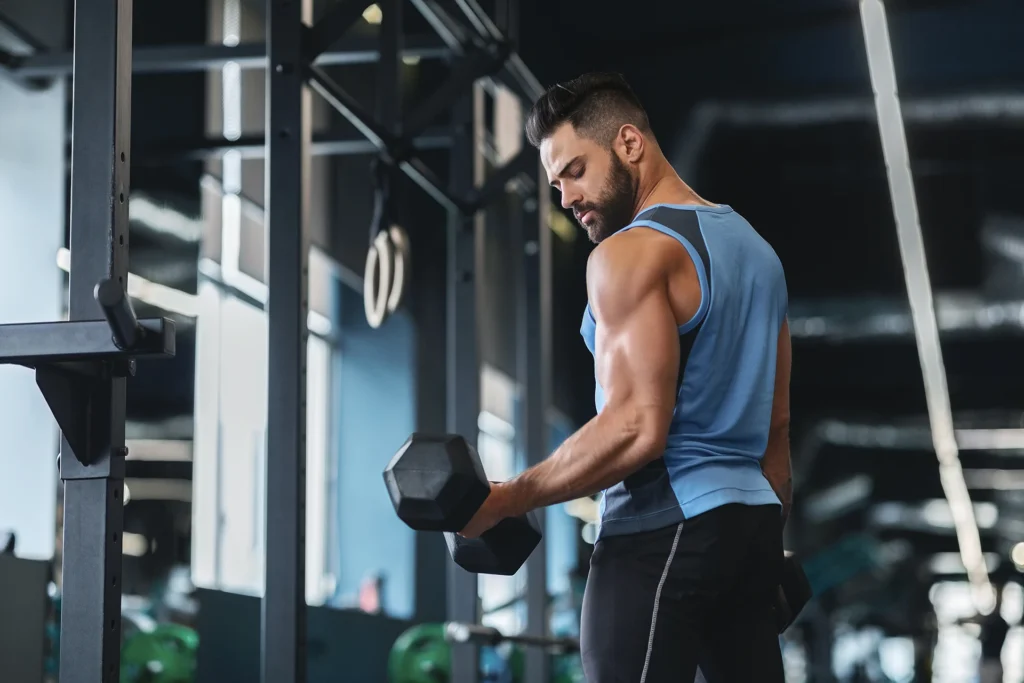
How to Get Bigger Biceps Faster
If you want faster results, small adjustments can make a big difference. Focus on slowing down your reps. A controlled tempo increases time under tension and leads to better muscle engagement. Pay attention to your form. Keeping your elbows in place and avoiding momentum ensures your biceps are doing the work. Track your progress. Increasing weight or reps over time is essential for continued growth. Consistency is what separates people who see results from those who stay stuck. Showing up and following a structured plan will always outperform random workouts.
Common Bicep Workout Mistakes to Avoid
Even with the right exercises, mistakes can limit your progress. One of the biggest issues is relying on momentum. Swinging the weight reduces tension on the biceps and shifts the work to other muscles.
Another mistake is ignoring full extension. Not lowering the weight completely limits the effectiveness of each rep. Training too often can also slow results. Since biceps are used in many upper-body movements, overtraining can lead to fatigue and reduced performance. Fixing these issues can quickly improve how effective your workouts feel.
Bicep Workouts for Beginners and Advanced Lifters
Beginners should focus on building a strong foundation. Start with lighter weights, learn proper form, and stay consistent. Exercises like dumbbell curls and cable curls are great starting points. As you gain experience, you can increase intensity through techniques like supersets, slower tempo, and higher volume. Small changes in your routine can create new challenges and keep your progress moving forward. Group fitness classes at TruFit Athletic Clubs provide structure and motivation, helping you stay consistent and push your limits in a supportive environment.
Nutrition and Recovery for Arm Growth
Building bigger biceps requires more than just training. Your body needs the right fuel to grow. Protein supports muscle repair and development. Including protein in your meals helps your body recover after workouts. Hydration plays a role in performance and endurance. Staying hydrated helps your muscles function properly. Rest is when growth happens. Giving your muscles time to recover allows them to rebuild stronger.
Train Smarter at TruFit Athletic Clubs
Getting results comes down to having the right plan and the right environment. At TruFit Athletic Clubs, you have access to the tools, space, and support needed to stay consistent. From strength training equipment to group fitness classes, everything is designed to help you reach your fitness goals.
Take The Next Step Toward Stronger, More Defined Arms
FAQ: Bicep Workouts
- What are the best bicep workouts for size?
The best bicep workouts for size include barbell curls, dumbbell curls, hammer curls, and cable curls. Combining these exercises helps target the muscle from multiple angles. - How often should I train biceps for growth?
Training biceps two to three times per week is ideal for most people. This allows enough stimulus for growth while giving your muscles time to recover. - Why are my biceps not growing?
Lack of growth is often caused by poor form, inconsistent training, or not increasing intensity over time. Focusing on progression and proper technique can improve results. - Are cables better than dumbbells for biceps?
Cables provide constant tension, while dumbbells allow for a more natural range of motion. Using both can lead to better overall development. - How long does it take to build bigger biceps?
With consistent training and proper nutrition, many people start to notice strength improvements within a few weeks. Visible muscle growth typically takes a few months.