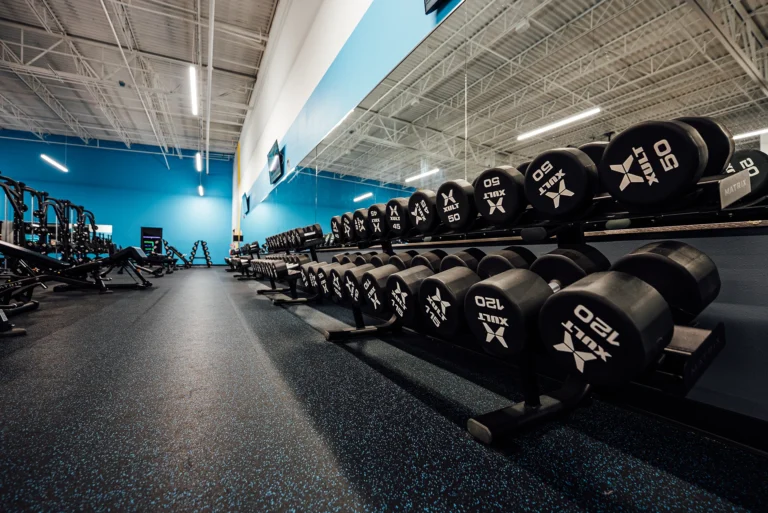


A good chest and back workout can completely change how your upper body looks and performs. Training these opposing muscle groups together creates balance, improves posture, and helps you get more done in less time. It’s popular for a reason. While one muscle group works, the other gets a short break, so your workouts stay efficient without dragging on. At TruFit Athletic Clubs, members often look for workouts that deliver results without wasting time. A smart chest and back workout gets both done. It builds strength, supports muscle growth, and keeps your training engaging.
Why Train Chest and Back Together
Pairing chest and back in the same workout isn’t just convenient, it actually works better. These muscle groups work in opposite ways. The chest pushes, while the back pulls. When you alternate between pushing and pulling exercises, your muscles get brief recovery periods without slowing down your workout. It also helps you perform better. When your chest muscles rest during a pulling movement, they recover enough to be stronger in the next pushing set. Over time, this leads to increased strength and better muscle activation. Another advantage is posture. Many people focus heavily on chest exercises and neglect the back. This can lead to rounded shoulders and discomfort. Training both areas together helps maintain proper alignment and supports overall upper body health.
Anatomy of the Chest and Back
Knowing what you’re actually working on helps you train smarter. The chest is mainly your pec major and minor. You don’t need to memorize that, but it helps to know they drive most pressing movements. These muscles are responsible for pushing movements like presses and pushups. The back is a bit more complex. It includes the latissimus dorsi, rhomboids, trapezius, and erector spinae. These muscles handle pulling movements, stabilize the spine, and support posture. When you train both in one session, you’re hitting a big portion of your upper body. This builds muscle and increases calorie burn. It just makes your workouts more productive.
The Best Chest and Back Workout Routine
A balanced routine includes both compound and isolation exercises. Compound movements recruit multiple muscle groups and should come first. Isolation exercises help target specific areas and refine muscle development.
Warm Up for Better Performance
Start with 5 to 10 minutes of light cardio followed by dynamic stretches. Arm circles, band pull-aparts, and light pushups help get your muscles and joints ready for heavier lifts. A proper warm-up reduces the risk of injury and improves performance.
Compound Movements for Strength
Begin your workout with exercises that target multiple muscles at once. These lifts let you use heavier weights and build a solid foundation.
Barbell bench press is a staple for chest development. It targets the entire chest while also engaging the shoulders and triceps. Keep the movement controlled and use a full range of motion.
Pull-ups or lat pulldowns are essential for building a strong back. They target the lats and help create that wide upper body look. Keep your core tight and don’t swing the weight.
Incline dumbbell press shifts the focus to the upper chest. This adds depth and balance to your chest development.
Bent over rows target the middle back and help improve posture. This is also where a lot of people round their back without realizing it. Keep your spine neutral and pull the weight toward your torso.
Isolation Exercises for Definition
After your compound lifts, move on to exercises that isolate specific muscles.
Cable flies are great for stretching and contracting the chest. They help define the inner chest and improve muscle control.
Seated cable rows focus on the mid back and allow for controlled movement. Adjust the grip to target different areas.
Face pulls are one of the most overlooked exercises, especially if you care about shoulder health.
Dumbbell pullovers can target both chest and back, making them a versatile addition to your routine.

Sample Chest and Back Workout Plan
This sample workout can be done once or twice per week, depending on your schedule and goals. Pick weights that challenge you, but don’t break your form.
- Barbell bench press 4 sets of 6 to 10 reps
- Pull-ups or lat pulldowns 4 sets of 8 to 12 reps
- Incline dumbbell press 3 sets of 8 to 12 reps
- Bent over rows 3 sets of 8 to 12 reps
- Cable flies 3 sets of 12 to 15 reps
- Seated cable rows 3 sets of 10 to 15 reps
- Face pulls 3 sets of 12 to 15 reps
Rest for 60 to 90 seconds between sets. Focus on controlled movements and proper breathing throughout the workout. If you’re short on time, just do the first four exercises, and you’ll still get a solid workout.
Tips to Maximize Your Results
Consistency is what actually drives results. Showing up and putting in the effort each week will lead to noticeable progress over time. You also need to keep pushing yourself over time. Gradually increase the weight, reps, or intensity of your workouts. This challenges your muscles and encourages growth. Form should always come before weight. Lifting heavier than you can control reduces effectiveness and increases the risk of injury. Take time to learn proper technique for each exercise. Recovery also matters more than most people think. Your muscles need time to repair and grow stronger. Make sure you are getting enough sleep and fueling your body with the right nutrients.
Common Mistakes to Avoid
A common mistake is putting too much emphasis on one muscle group. Overdoing chest exercises while ignoring the back can lead to imbalances and poor posture. Another big one is rushing through workouts. Taking the time to control each rep leads to better muscle engagement and results. Many people also skip the warm-up or cool down. This can increase the risk of injury and slow down recovery. Finally, using the same routine for too long can lead to plateaus. Changing your exercises, rep ranges, or intensity keeps your body adapting and progressing.
How This Fits Your Fitness Goals
A chest and back workout is versatile and works for a wide range of fitness goals. If your goal is strength training, focus on lower rep ranges and heavier weights. If you are aiming for muscle growth, moderate reps and controlled movements will be more effective. For those focused on general fitness, this type of workout provides a balanced approach that supports overall health. It also fits well into busy schedules since it targets multiple muscle groups in one session.
At TruFit, members often combine chest and back workouts with group fitness classes or cardio sessions to create a well-rounded routine. This approach keeps workouts fresh and helps maintain motivation.
Get Started Today
Frequently Asked Questions
What is the best chest and back workout for beginners?
Beginners should start with simple compound movements like the bench press and lat pulldowns. Focus on learning proper form and gradually increase intensity as you gain confidence and strength.
Can I train chest and back on the same day?
Yes, training chest and back together is effective and efficient. It allows you to alternate between pushing and pulling movements, which can improve performance and reduce fatigue.
How many sets should I do for chest and back?
Most people do well with 3 to 4 sets per exercise. The exact number depends on your fitness level and goals, but consistency and effort matter more than volume alone.
How often should I do a chest and back workout?
Training chest and back once or twice per week is enough for most people. Make sure to allow time for recovery between sessions to support muscle growth.
Is chest and back a good split for muscle growth?
Yes, this split is effective for building muscle. It targets large muscle groups, supports balanced development, and fits well into many training schedules.