
Strong legs and a stable lower body make almost every movement easier, even the ones you don’t think about. From walking and running to lifting and balance, your lower body supports it all. That is why lower-body exercises are essential for anyone working toward real fitness goals. At TruFit, the focus is on practical strength training that delivers visible results and long-term performance.
Key Takeaways
- Lower body exercises build strength, improve balance, and support overall fitness goals
- Compound movements like squats and lunges deliver the most efficient results
- A balanced routine includes glutes, quads, hamstrings, and calves
- Consistency and proper form matter more than heavy weight
Why Lower Body Training Matters
Lower body training goes beyond appearance. You notice it most on things like stairs, long days on your feet, or getting up after sitting too long, while also improving athletic performance and reducing injury risk. Because these muscles are some of the largest in your body, training them consistently can also help boost your metabolism.
Access to the right equipment and guidance can also make training more effective. A supportive environment, like TruFit, helps you stay consistent, focus on proper form, and continue making progress over time.
The Most Effective Lower Body Exercises
A strong lower body workout focuses on compound movements that target multiple muscle groups at once. These exercises provide the greatest return on effort and help build functional strength.
Squats for Total Lower Body Strength
Squats are one of the most powerful lower-body exercises. They hit your quads, glutes, hamstrings, and even your core in one movement, which is why they show up in almost every solid workout plan. Bodyweight squats are great for beginners, while barbell squats challenge more advanced lifters. Focus on keeping your chest up, your knees tracking over your toes, and your weight evenly distributed through your feet.
Lunges for Balance and Stability
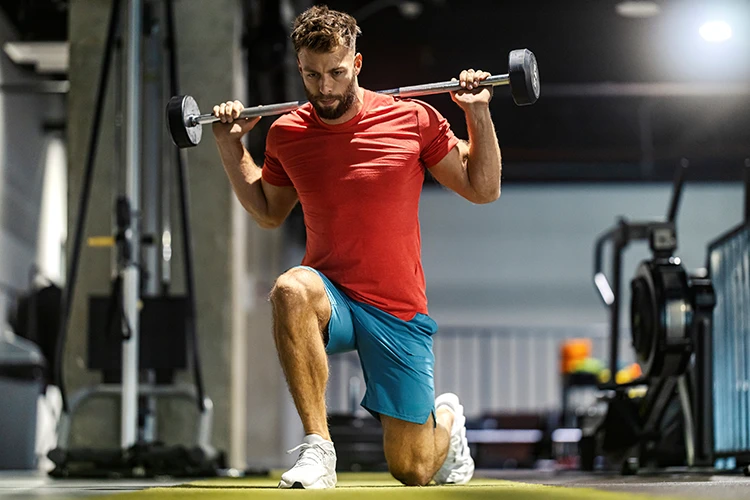
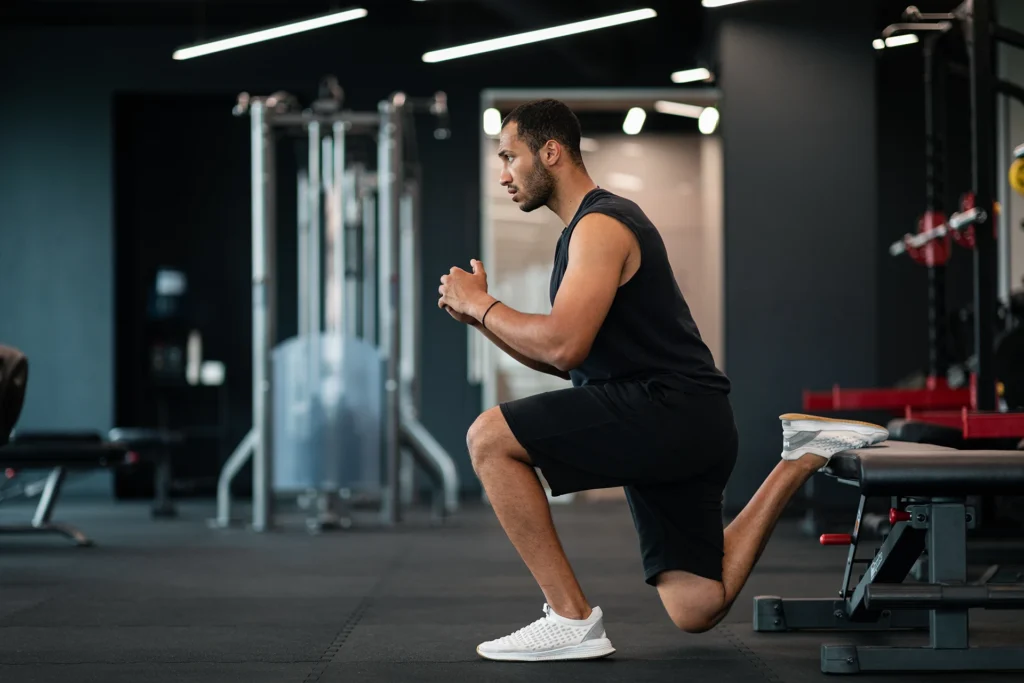
Lunges help correct muscle imbalances and improve coordination. They work each leg individually, which builds strength and stability. Forward lunges, reverse lunges, and walking lunges all provide unique benefits. Lunges can feel awkward at first, but they get more natural quickly once your balance improves. Be sure to keep your torso upright and step far enough forward to engage your glutes effectively.
Deadlifts for Posterior Chain Power
Deadlifts strengthen your hamstrings, glutes, and lower back. They are essential for building power and improving overall strength. Romanian deadlifts focus more on hamstrings, while conventional deadlifts engage the entire posterior chain. If your form breaks down, lower the weight. You will get better results doing it right than forcing heavier reps. Keep your back neutral and hinge at the hips rather than bending through the spine.
Step Ups for Functional Strength
Step-ups mimic real-life movements like climbing stairs. They target the glutes and quads while improving balance. Use a bench or platform and drive through your front heel as you step up. Control the movement on the way down to maximize muscle engagement.
Glute Bridges for Targeted Activation
Glute bridges isolate the glutes and help improve hip strength. They are especially useful for beginners or as part of a warm-up routine. Squeeze your glutes at the top of the movement and avoid arching your lower back. This ensures proper muscle activation and reduces strain.
Calf Raises for Lower Leg Strength
Calf raises strengthen the muscles in your lower legs, which are often overlooked. Strong calves improve balance and support movements like running and jumping. Perform them on a flat surface or a raised platform for a greater range of motion. Slow, controlled reps deliver the best results.
How to Structure a Lower Body Workout
When your workouts have structure, everything feels easier to stick with, and you are less likely to burn out. Your routine should include a mix of compound and isolation exercises. Start with a dynamic warm-up to prepare your muscles and joints. Follow with compound movements like squats or deadlifts when your energy is highest. Then move into accessory exercises like lunges or calf raises.
Rest periods should allow for recovery without losing momentum. Most people benefit from 60 to 90 seconds of rest between sets. Adjust based on your intensity and fitness level. Training your lower body two to three times per week is ideal for most people. This allows enough stimulus for growth while giving your muscles time to recover.
Building a Routine That Fits Your Goals
Your lower body workout should align with your personal fitness goals. If your focus is strength, prioritize heavier weights and lower repetitions. If you are working toward endurance or toning, use moderate weights with higher repetitions. If you are short on time, even a quick 30-minute lower-body workout built around squats, lunges, and one accessory move can still be effective. At TruFit, members have access to group fitness classes and personal training that can help tailor workouts to specific goals. This level of support makes a big difference in staying consistent and seeing results.
Common Mistakes to Avoid
Many people struggle to see results because of simple but avoidable mistakes. Poor form is one of the most common issues. Lifting too heavy, too soon, can lead to injury and slow progress. Skipping warm-ups or neglecting recovery also limits results. Your muscles need time to repair and grow after each workout. Nutrition and sleep play a major role in this process. It is easy to focus too much on one area, especially glutes or quads, and forget the rest. A balanced approach ensures all parts of your lower body develop evenly.
Benefits Beyond the Gym
Lower body exercises do more than improve your performance in the gym. They enhance everyday activities like walking, lifting, and even sitting with proper posture. Stronger legs also support cardiovascular health when combined with active workouts. Movements like lunges and step-ups elevate your heart rate and improve endurance.
For those working toward weight loss, lower-body workouts burn a significant number of calories due to the size of the muscle groups involved. This makes them a powerful tool for achieving long-term results.
Staying Consistent at an Affordable Gym
Consistency is the most important factor in achieving your fitness goals. Having access to an affordable gym like TruFit makes it easier to stick to a routine. A supportive environment, quality equipment, and expert guidance all contribute to long-term success. When your workouts are convenient and enjoyable, you are more likely to stay committed.
Take the Next Step with TruFit
Building a strong lower body takes time, effort, and the right environment. TruFit offers everything you need to succeed, from strength training equipment to group fitness classes designed to keep you motivated.
Ready to build stronger legs and reach your fitness goals? Join TruFit Today!
Frequently Asked Questions
What are the best lower-body exercises for beginners?
Beginners should start with bodyweight movements like squats, lunges, and glute bridges. These exercises build a strong foundation and help develop proper form before adding weight.
How often should I train my lower body?
Most people benefit from training their lower body two to three times per week. This allows for enough recovery while still promoting strength and muscle growth.
Can lower-body workouts help with weight loss?
Yes, lower-body exercises burn a high number of calories due to the large muscle groups involved. Combined with proper nutrition, they support effective weight loss.
Do I need equipment for lower-body exercises?
You can start with bodyweight exercises, but adding equipment like dumbbells or barbells increases intensity and helps you progress over time.
How long does it take to see results?
Results vary based on consistency, effort, and nutrition. Many people begin to notice improvements in strength and tone within a few weeks of regular training.