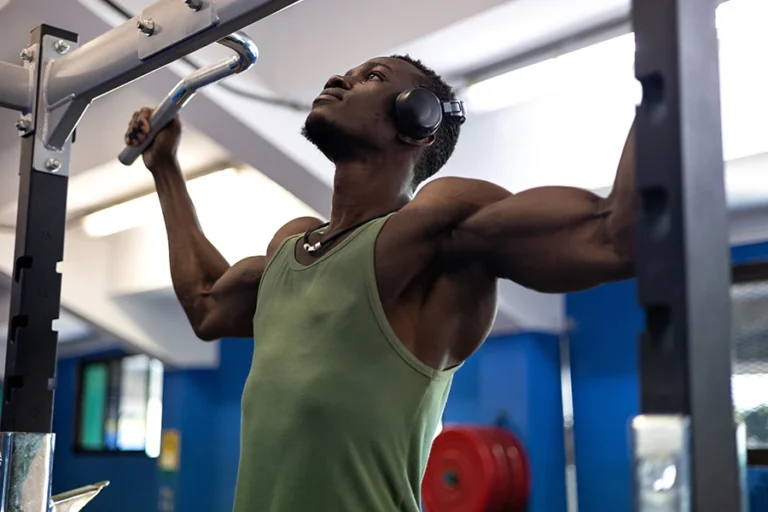


Strong shoulders play a major role in how you move, lift, and stay injury-free during your workouts. Every push, pull, and lift depends on shoulder stability, which makes shoulder workouts essential for anyone working toward real fitness goals. If you want to build strength, improve posture, and feel more confident in your training, focusing on your shoulders is a smart place to start.
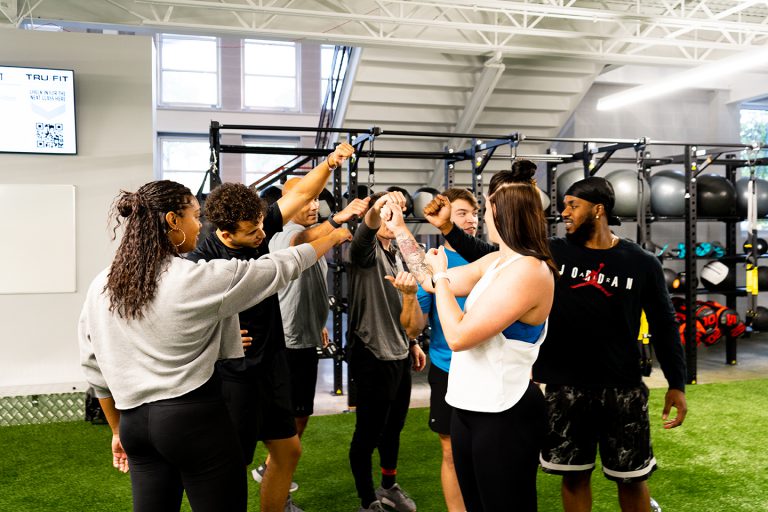
At TruFit Athletic Clubs, members have access to the equipment, space, and support needed to train with purpose. From free weights to functional training areas and group fitness classes, building stronger shoulders becomes part of a complete fitness routine that actually fits your lifestyle.
Why Shoulder Workouts Are Key for Strength and Stability
Your shoulders are involved in nearly every upper-body movement. They support pressing exercises, assist in pulling movements, and stabilize weight during compound lifts. Because of this, shoulder strength directly impacts your performance in the gym.
Well-trained shoulders also help improve posture and reduce the risk of injury. Many people spend hours sitting or working at a desk, which can lead to tightness and weakness in the upper body. Targeted shoulder workouts help restore balance, improve alignment, and support better movement patterns. When your shoulders are strong and stable, everything else in your training becomes more efficient.
The Most Effective Shoulder Workouts to Build Strength
The best shoulder workouts focus on movement patterns rather than just individual muscles. This approach helps you build strength while improving control and coordination.
Pressing Movements for Overall Strength
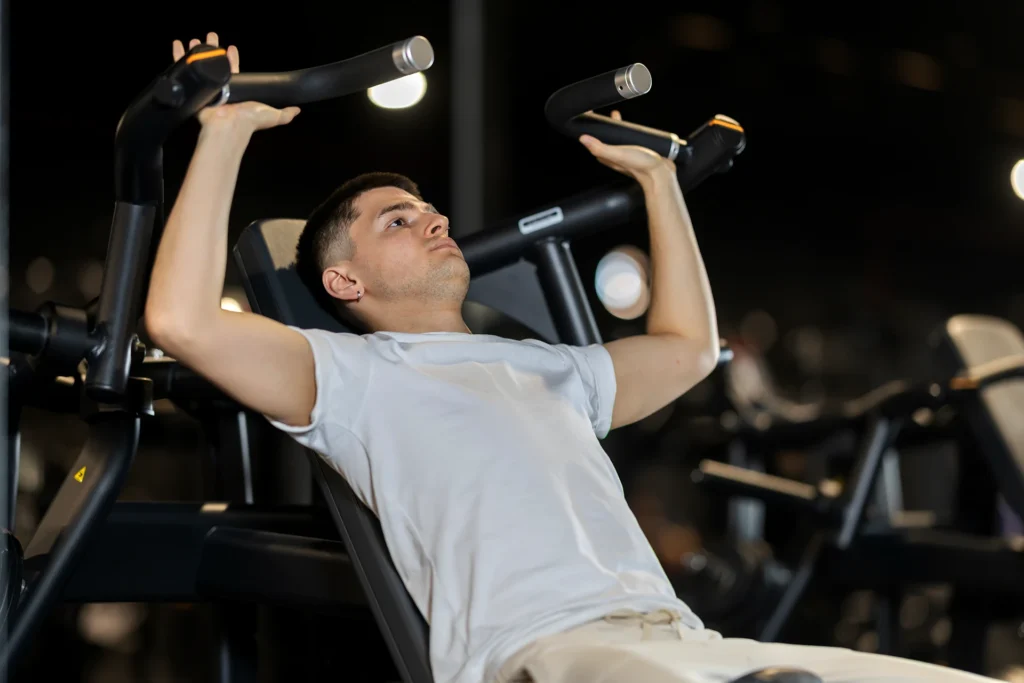
Pressing exercises form the foundation of shoulder training. These movements allow you to build strength while engaging multiple muscle groups.
- The overhead press is one of the most effective exercises you can include in your routine. Using dumbbells or a barbell, this movement challenges your shoulders, core, and upper body stability all at once. It is a key lift for anyone looking to get stronger.
- Push presses are another great option if you want to develop power. By using a slight drive from your lower body, you can move heavier weights and build explosive strength.
- Arnold presses add variety by incorporating rotation, which increases time under tension and improves muscle control.
Movements That Build Width and Definition
To create more defined shoulders, you need exercises that target how your shoulders look and move from different angles. Lateral raises are essential for building width. They help create a broader appearance and are most effective when performed with controlled form and moderate weight. Front raises can be added for additional strength, especially if you want to improve performance in pressing movements.
Rear Delt and Posture-Focused Exercises
One of the most overlooked areas in shoulder training is the rear delts. Strengthening this part of the shoulder improves posture and balances out your upper body. Rear delt flys are a simple but effective movement that targets this area directly. Face pulls are another valuable exercise that supports shoulder health while engaging the upper back. Including these exercises in your routine helps you move better and reduces the risk of imbalances.
How to Structure a Shoulder Workout Routine
An effective shoulder routine should fit into your overall training plan without overloading the joints. Since shoulders are used in many exercises, it is important to balance intensity with recovery. Training shoulders one to two times per week works well for most people. You can include shoulder exercises as part of an upper-body day or a push-focused workout.
Start your workout with heavier pressing movements, then transition into lighter exercises that focus on control and form. This allows you to build strength first while still giving attention to detail work that improves definition. Progress comes from consistency. Increasing weight gradually, improving your form, and staying committed to your routine will lead to steady results over time.
Common Shoulder Workout Mistakes to Avoid
Shoulder training can be highly effective, but only if you avoid a few common mistakes. One issue is focusing too heavily on pressing movements while ignoring the rear delts. This creates an imbalance and can lead to poor posture over time.
Another mistake is using too much weight during raises. This often leads to momentum instead of control, which reduces effectiveness and increases strain on the joints. Skipping warm-ups is also a problem. The shoulder joint requires proper preparation before lifting. Taking a few minutes to improve mobility can make a noticeable difference in performance. Paying attention to form and control will always lead to better results than simply lifting heavier weights.
Shoulder Workouts for Beginners and Experienced Lifters
If you are new to the gym, start with simple movements that help you build control and confidence. Machines and light dumbbells are great tools for learning proper technique. Focus on consistency and gradually increase intensity as you get stronger. This approach helps you avoid injury while building a solid foundation.
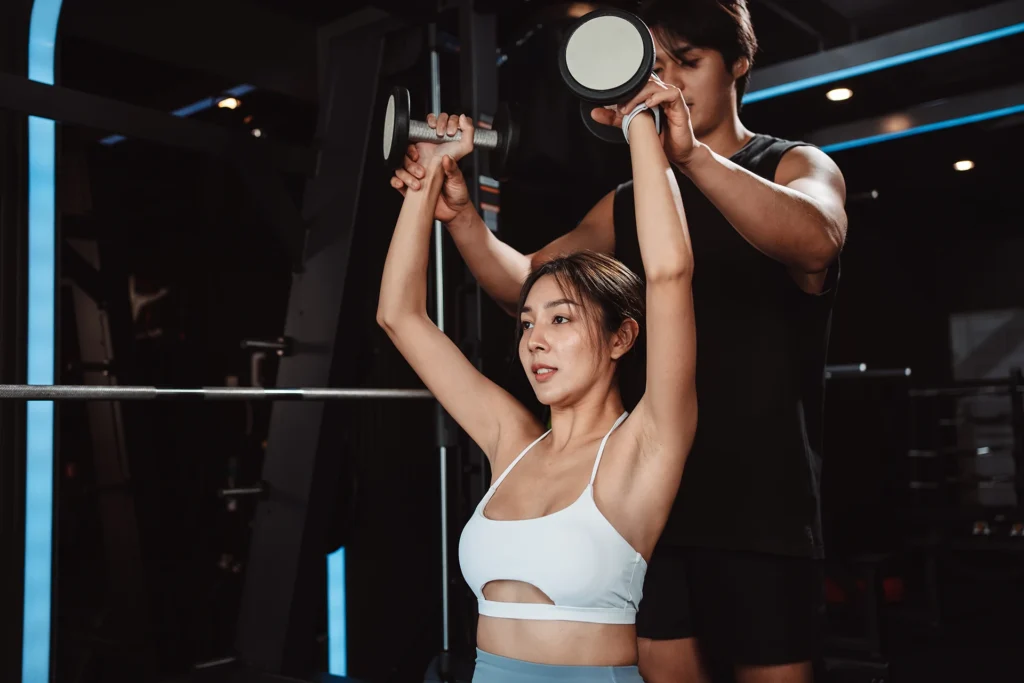
For more experienced lifters, small changes can make a big difference. Adjusting tempo, trying new variations, or increasing volume can challenge your muscles in new ways. Group fitness classes at TruFit Athletic Clubs can also help you stay motivated. Having structure and guidance makes it easier to push yourself and stay consistent.
Supporting Shoulder Health with Recovery and Nutrition
Strong shoulders are not just built in the gym. Recovery and nutrition play a major role in how your body performs and improves. Protein supports muscle repair and helps your body recover after workouts. Staying hydrated also improves performance and reduces fatigue.
Rest is especially important for shoulder training. Because the shoulders are used so often, giving them time to recover helps prevent overuse and keeps your workouts effective. Taking care of your body outside the gym allows you to perform better inside it.
How Shoulder Training Improves Your Overall Fitness Goals
Shoulder workouts support more than just upper-body strength. They improve how you move, lift, and perform in everyday life. Stronger shoulders make it easier to complete compound exercises, maintain proper posture, and handle physical activity with confidence. They also contribute to a more balanced and athletic appearance. For those working toward weight loss or general fitness, shoulder training helps increase overall activity and supports a more efficient workout routine. When your shoulders are strong and stable, your entire fitness routine benefits.
Train Smarter at TruFit Athletic Clubs
Reaching your fitness goals takes more than motivation. It requires the right environment and the right support system. At TruFit Athletic Clubs, you will find everything you need to stay consistent. From strength training equipment to functional workout spaces and group fitness classes, every part of the gym is designed to help you succeed. If you are ready to build stronger shoulders and improve your overall fitness, now is the time to take action.
Join Trufit Today & Start Building A Routine That Works For You
FAQ: Shoulder Workouts
- What are the best shoulder workouts for beginners?
Beginners should start with movements like dumbbell shoulder press, lateral raises, and rear delt flys. These exercises help build strength while improving control and form. - How can I build wider shoulders?
Building wider shoulders comes from focusing on lateral raises and maintaining consistent training. Proper form and controlled movement are key to targeting the right area. - How often should I train shoulders?
Training shoulders one to two times per week is effective for most people. This allows enough time for recovery while still promoting growth. - Why are rear delt exercises important?
Rear delt exercises improve posture, balance your shoulders, and reduce the risk of injury. They are often overlooked but play a critical role in overall shoulder development. - What causes shoulder pain during workouts?
Shoulder pain is often linked to poor form, lack of warm-up, or overtraining. Focusing on proper technique and allowing time for recovery can help prevent discomfort.