
Chest workouts are a central part of almost every serious gym routine. Building your chest improves upper body strength, enhances muscle definition, and supports better performance in daily life and sports. A strong chest also contributes to better posture and shoulder stability, helping reduce injury risk over time. If your goal is muscle size, pressing strength, or a more defined upper body, a structured chest workout routine will help you get there faster.
Chest Muscle Anatomy and Why It Matters
Understanding how the chest muscles function helps you train with more purpose and better results.
Pectoralis Major
The pectoralis major is the large muscle that gives the chest its shape and power. It drives pressing and pushing movements such as bench presses and push ups. Most chest workouts are designed to stimulate this muscle through different angles and resistance patterns to promote balanced growth.
Pectoralis Minor
Located underneath the pectoralis major, the pectoralis minor helps stabilize the shoulder blades. While it is not directly isolated in most chest exercises, it plays an important role in maintaining proper shoulder mechanics during pressing movements.
Supporting Muscles
Chest training also activates the triceps and front deltoids. Because of this, a well planned chest day supports overall upper body development and strength progression.
The Best Chest Workouts at the Gym
Effective chest workouts combine compound lifts with isolation movements. Compound exercises allow you to lift heavier loads and recruit more muscle fibers. Isolation movements improve muscle engagement and help refine overall development.
Barbell Bench Press
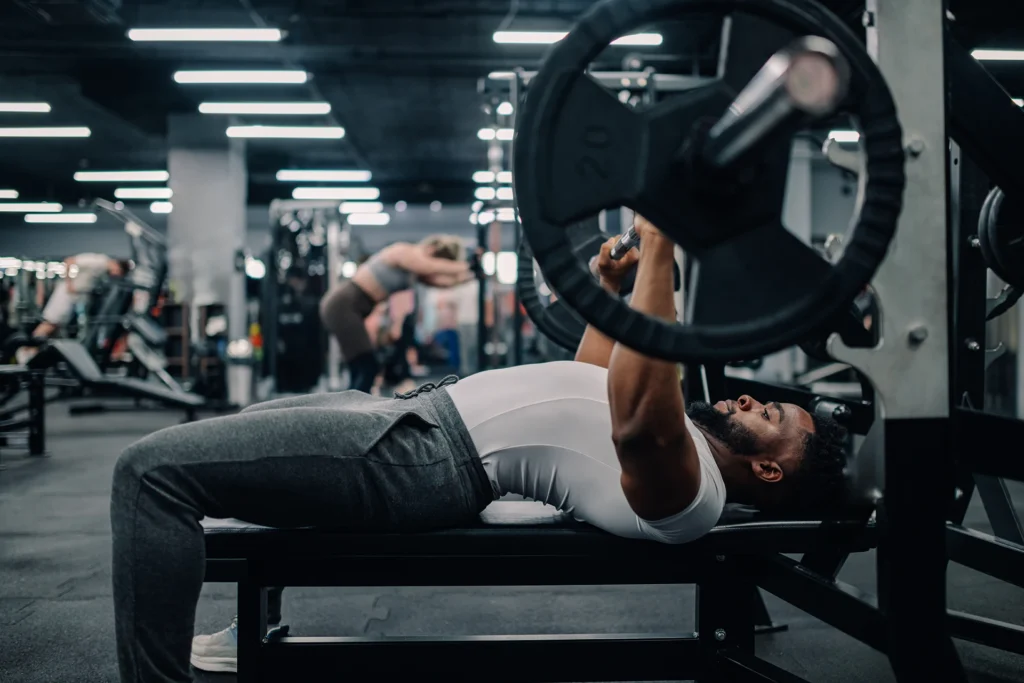
The barbell bench press remains one of the most effective chest exercises for building strength and size. It allows for steady progression by gradually increasing weight over time. Proper form includes planting your feet firmly on the floor, maintaining a stable upper back, lowering the bar with control, and pressing upward smoothly.
Incline Press
Incline presses shift more emphasis to the upper chest. Setting the bench at a moderate angle, usually between thirty and forty five degrees, targets the upper portion of the pectoralis major and helps create a fuller appearance across the chest.
Chest Fly
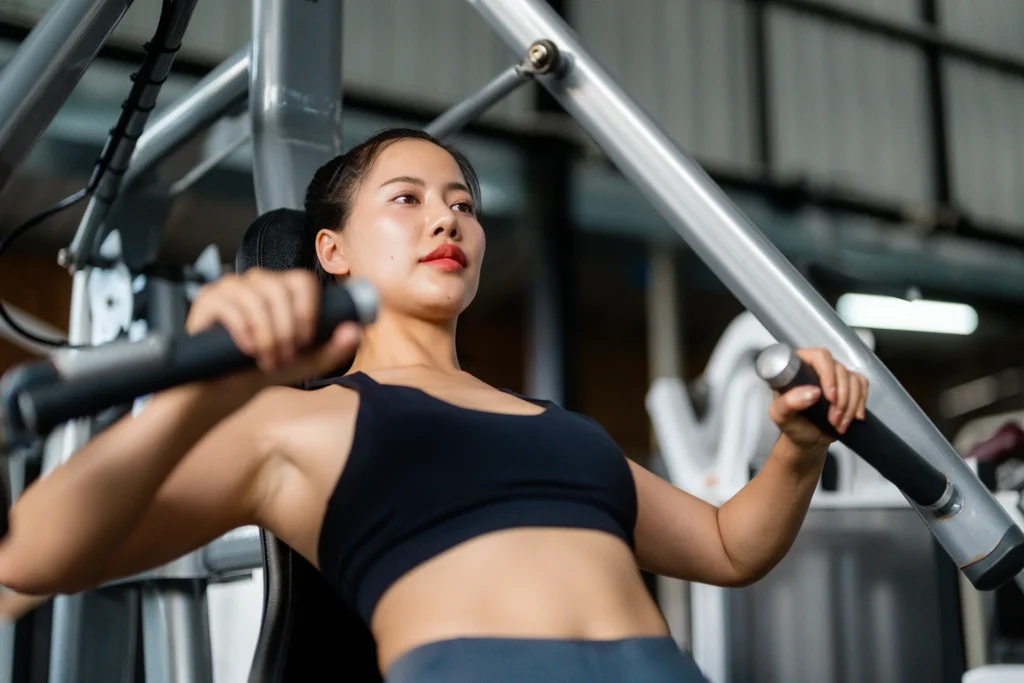
Chest fly movements, performed with dumbbells or a machine, isolate the chest and strengthen the mind muscle connection. Controlled repetitions with a focus on squeezing the chest at the top of the movement increase time under tension and encourage growth.
Cable Crossover
Cable crossovers provide consistent resistance throughout the entire range of motion. This constant tension improves muscle activation and helps create a strong contraction at the end of each repetition.
Push Ups
Push ups are a versatile and effective chest exercise that can be modified for any fitness level. Adjusting hand position, elevating the feet, or slowing the tempo can increase intensity and challenge the chest in different ways.
Dumbbell Bench Press
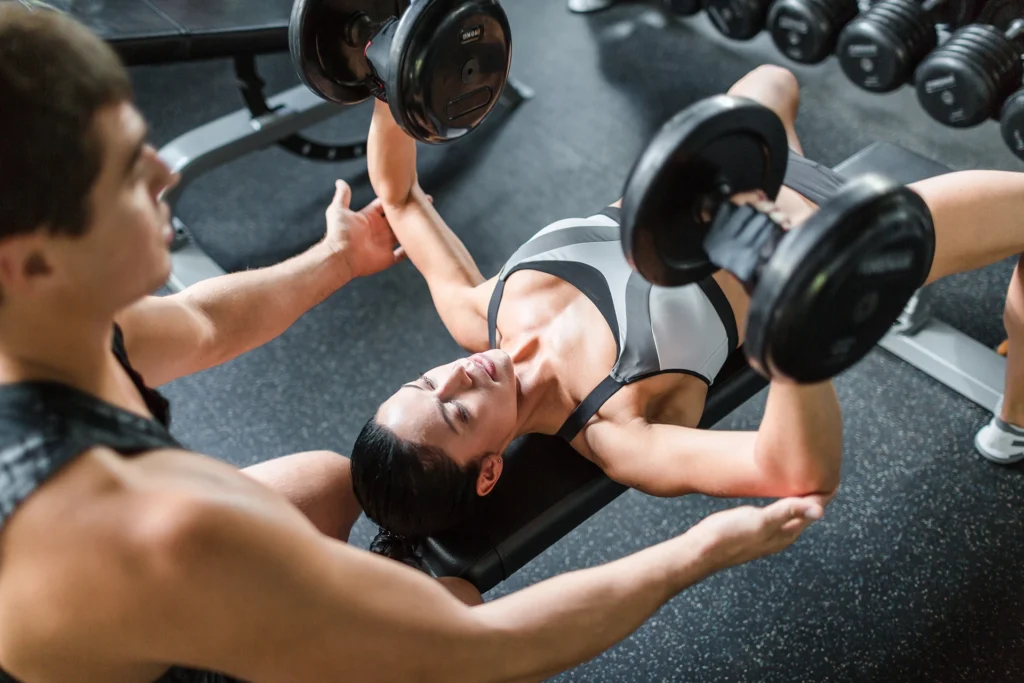
The dumbbell bench press increases range of motion and helps correct muscle imbalances since each arm works independently. Lowering the weights slightly below chest level can create a deeper stretch and stronger contraction, which supports muscle growth.
How to Structure a Chest Workout Routine
A well designed chest workout routine should reflect your experience level and long term goals.
Beginner Chest Workout Approach
Beginners benefit from focusing on technique and controlled repetition ranges. A simple routine that includes a flat press, an incline movement, and an isolation exercise provides enough stimulus to promote growth while building proper mechanics. Consistency and attention to form matter more than heavy weight at this stage.
Intermediate Chest Training
As strength improves, increasing volume and intensity becomes important. Adding more sets and tracking progressive overload helps maintain steady progress. Balancing compound lifts with accessory exercises ensures complete chest development and reduces the risk of plateaus.
Advanced Chest Training for Strength and Size
Advanced lifters often combine heavy compound lifts in lower rep ranges with moderate rep accessory work. Strategic intensity techniques such as controlled pauses or drop sets can increase training stimulus while maintaining good form. Recovery becomes increasingly important as training demands rise.
Most individuals see strong results training chest one to two times per week. Allowing at least forty eight hours between sessions supports muscle repair and growth. Chest workouts can fit naturally into push days or upper body splits depending on overall programming.
Common Chest Workout Mistakes
Progress slows when form and structure are ignored. Lifting more weight than you can control shifts tension away from the chest and increases strain on the shoulders. Excessively flaring the elbows during pressing movements also places unnecessary stress on the joints.
Neglecting upper chest exercises can lead to uneven development. Rushing repetitions reduces muscle activation and limits results. Maintaining control throughout each rep improves overall effectiveness.
A proper warm up prepares the body for heavier lifts. A few minutes of light cardio followed by dynamic shoulder and chest movements can significantly improve performance and reduce injury risk.
Chest Workouts for Different Goals
Chest workouts can be adjusted depending on your primary objective.
Training for Muscle Growth
For hypertrophy, moderate weight with controlled repetitions in the eight to twelve rep range is effective. Consistent progression and proper nutrition play a major role in visible results.
Training for Strength
Strength focused programs use heavier loads and lower repetition ranges. Longer rest periods between sets allow for stronger performance during each lift.
Training for Fat Loss
For fat loss, chest exercises can be integrated into full body or higher intensity routines. Building muscle supports overall body composition improvements when combined with a balanced nutrition plan.
Train Your Chest the Right Way at TruFit
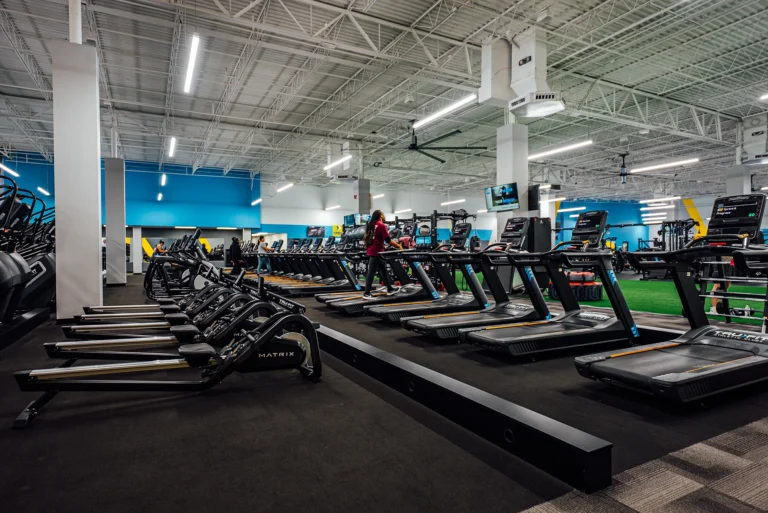
The environment you train in influences your progress. A fully equipped gym makes it easier to follow a structured chest workout routine and stay consistent. TruFit provides extensive free weight areas, plate loaded machines, cable systems, and functional training zones that support every level of lifter.
If you are new to strength training, certified personal trainers can help refine your technique and create a customized plan aligned with your goals. If you are focused on increasing your bench press or building upper chest size, having access to the right equipment and space makes a difference.
Level Up Your Chest Workouts
Building a stronger chest requires focus, smart programming, and consistent effort. When you combine effective training with the right gym environment, progress becomes easier to sustain. TruFit provides the tools, space, and support you need to keep improving. From your first chest workout to your next personal best, you will have everything necessary to move forward with confidence. Join Trufit Today And Start Building Strength
Frequently Asked Questions About Chest Workouts
- What is the best chest exercise?
The barbell bench press is widely recognized as one of the most effective chest exercises because it allows for heavy loading and strong overall muscle activation. - How many exercises should I do on chest day?
Most chest workouts include three to five exercises depending on experience level and total weekly training volume. - Can you build chest without bench press?
Yes. Dumbbell presses, machine presses, push ups, and cable movements can all stimulate chest growth when performed consistently with proper intensity. - How long does it take to see results from chest workouts?
With consistent training and proper nutrition, noticeable changes often appear within four to eight weeks. Results vary based on effort, recovery, and overall programming. - Are chest workouts good for beginners?
Chest workouts are suitable for beginners when proper form is prioritized. Starting with moderate weight and controlled movements builds a strong foundation for long term progress.