
If you want to build strong, defined shoulders, lateral raises deserve a spot in your routine. This simple but powerful shoulder exercise targets the side delts and helps create that wider, more athletic look many people want on shoulder day. From beginners just starting strength training to experienced lifters fine tuning their form, lateral raises are one of the most effective isolation exercises you can add to your upper body workout.
At TruFit Athletic Clubs, we focus on helping members move with purpose. That means learning exercises the right way, using proper form, and training in a supportive environment designed for real results.
What Are Lateral Raises and What Muscles Do They Work
Lateral raises, also known as side lateral raises or dumbbell lateral raises, are a shoulder isolation exercise that primarily targets the lateral deltoids, the muscles responsible for shoulder width and shape. These are the muscles on the outer part of your shoulders that give you width and shape. The movement also engages the anterior deltoids, upper traps, and stabilizing muscles in your core.
When done correctly, lateral raises help improve shoulder strength, enhance muscle definition, and support better performance in compound movements like shoulder presses and bench presses.
Benefits of Lateral Raises
Lateral raises help build shoulder muscle size and definition while improving overall shoulder stability. Strong lateral deltoids contribute to better posture, improved performance in pressing movements, and a more balanced upper body appearance. Because this is an isolation movement, it allows you to focus directly on the side delts without relying heavily on your chest or triceps. Over time, that focused work can help create noticeable shoulder development.
How to Do Lateral Raises with Proper Form
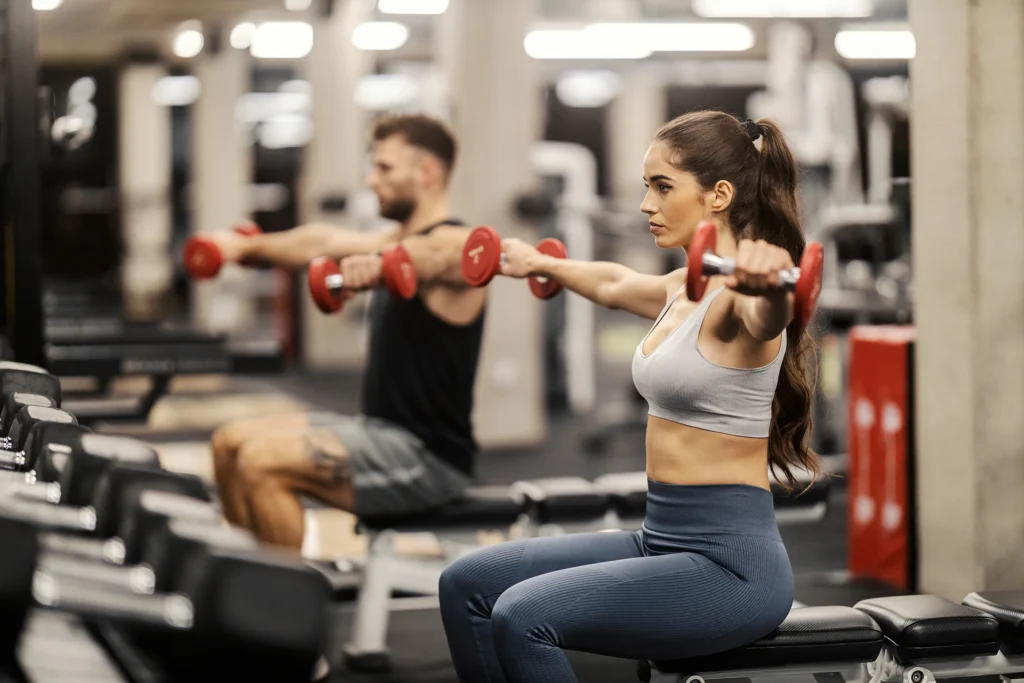
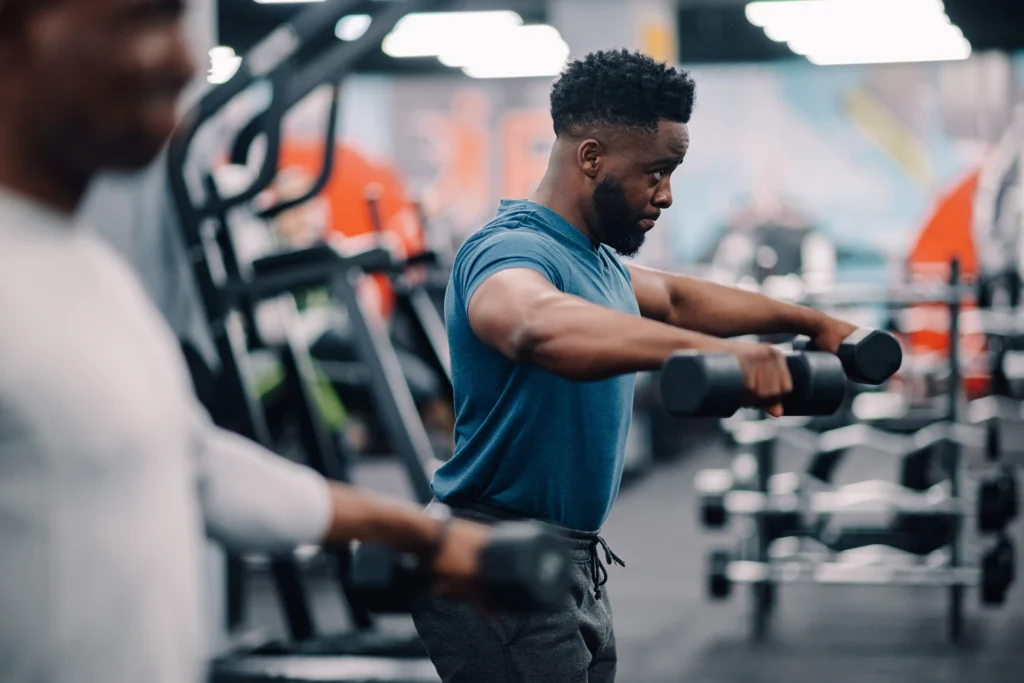
Mastering proper form is what makes this exercise effective. Start by standing tall with a dumbbell in each hand at your sides. Keep your core engaged and your shoulders down and back before beginning the movement. Keep a slight bend in your elbows and your chest lifted. Raise your arms out to the sides until they reach about shoulder height. Pause briefly at the top, then slowly lower the weights back down under control.
Focus on lifting with your shoulders instead of swinging the weights. Controlled movement helps you target the right muscles and reduce strain on your neck and lower back. If you feel momentum taking over, lower the weight and reset your form.
Step-by-Step Lateral Raise Setup
- Stand with your feet hip-width apart and engage your core.
- Hold the dumbbells with a neutral grip and keep your shoulders relaxed before you begin the lift.
- As you raise your arms, think about leading with your elbows while keeping your wrists in line with your forearms.
- Stop when your arms reach shoulder height and avoid turning the movement into a shrug.
- Lower the weights slowly to maintain tension in your shoulders.
Common Lateral Raise Mistakes to Avoid
Many people turn lateral raises into a full-body movement without realizing it. Swinging the weights, shrugging the shoulders, or lifting too heavy are common mistakes that shift tension away from the lateral deltoids.
Another frequent issue is raising the dumbbells too high or using weights that are too heavy, which can cause swinging and reduce activation in the lateral deltoids. Lifting above shoulder level can place unnecessary stress on the shoulder joint. Maintaining a smooth and controlled movement will help you build strength safely and effectively.
At TruFit, our certified trainers are available to guide you through movements like lateral raises so you can feel confident every time you train.
Are Lateral Raises Safe for Your Shoulders?
When performed with proper form and moderate weight, lateral raises are a safe and effective shoulder exercise. Problems typically arise when lifters swing the weights, lift too heavy, or raise their arms far above shoulder level. Keeping the movement controlled and pain free is key. If you experience shoulder discomfort, lowering the weight and reviewing your form can help reduce strain.
Lateral Raise Variations to Level Up Your Workout
Once you have mastered the standard dumbbell lateral raise, several variations can add challenge and variety to your workout.
Seated Lateral Raises
Seated lateral raises reduce momentum and increase muscle focus. This variation is great for anyone looking to isolate the shoulders more effectively.
Cable Lateral Raises
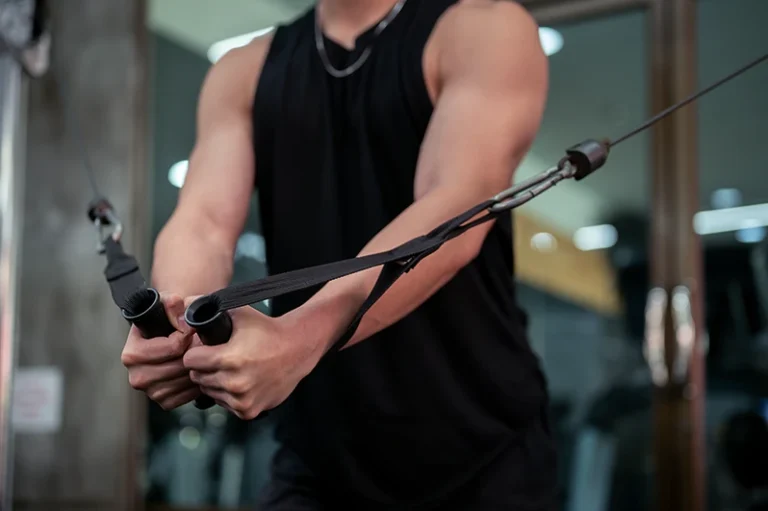
Cable lateral raises keep constant tension on the shoulders throughout the movement. They are ideal for lifters who want a smooth resistance curve and more control.
Resistance Band Lateral Raises
Resistance band lateral raises are a great option for beginners or for at-home workouts. They also work well as a warm-up before heavier strength training.
Machine Lateral Raises
Machine lateral raises provide added stability and are ideal for those learning proper alignment. This option can help you focus fully on engaging your shoulders without worrying about balance.
How to Add Lateral Raises to Your Shoulder Workout
Lateral raises are typically performed on upper-body or shoulder-focused days. Because they isolate the deltoids, they are often programmed after compound lifts like overhead presses or chest presses.
Aim for moderate weight with controlled repetitions, typically in the 10 to 15 rep range for muscle growth. If your goal is building shoulder muscle, focus on time under tension rather than heavy loads. Many lifters benefit from sets in the 10 to 15 rep range, focusing on muscle connection rather than heavy loads. Pairing lateral raises with other shoulder exercises like front raises or rear delt fly movements can help create balanced shoulder development.
In a supportive gym environment like TruFit Athletic Clubs, you have access to a wide range of equipment, from dumbbells and cable machines to selectorized strength machines that make it easy to customize your workout.
Why Shoulder Training Matters for Your Fitness Goals
Strong shoulders do more than improve appearance. They play a key role in upper body strength, posture, and everyday movement. From lifting groceries to pushing, pulling, and carrying, shoulder stability and strength are essential.
If your fitness goals include building muscle, improving athletic performance, or simply feeling stronger in daily life, exercises like lateral raises are a smart addition to your program. Consistent strength training also supports long-term joint health and overall confidence in the gym.
Train Smarter at TruFit Athletic Clubs
When you join TruFit, you gain more than access to equipment. You become part of a community focused on results, support, and affordable gym memberships that fit your lifestyle. Our spacious facilities, wide range of strength training equipment, and motivating group fitness classes give you everything you need to stay consistent.
Ready to build stronger shoulders and take your workouts to the next level. Join TruFit Athletic Clubs today and experience a gym environment designed to help you reach your fitness goals. Start Building Stronger Shoulders Today!
Frequently Asked Questions About Lateral Raises
- What do lateral raises work the most
Lateral raises primarily target the lateral deltoids, which are responsible for shoulder width and definition. They also engage supporting muscles like the anterior deltoids and upper traps. - Are lateral raises good for beginners
Yes, lateral raises are beginner friendly when performed with light weights and proper form. Starting with manageable resistance helps build shoulder strength safely. - How heavy should lateral raises be
Choose a weight that allows you to complete your reps with control and good form. The focus should be on muscle engagement, not lifting the heaviest dumbbells in the gym. - How often should I do lateral raises
Lateral raises can be included in your shoulder or upper body workouts one to two times per week, depending on your overall training program and recovery.