
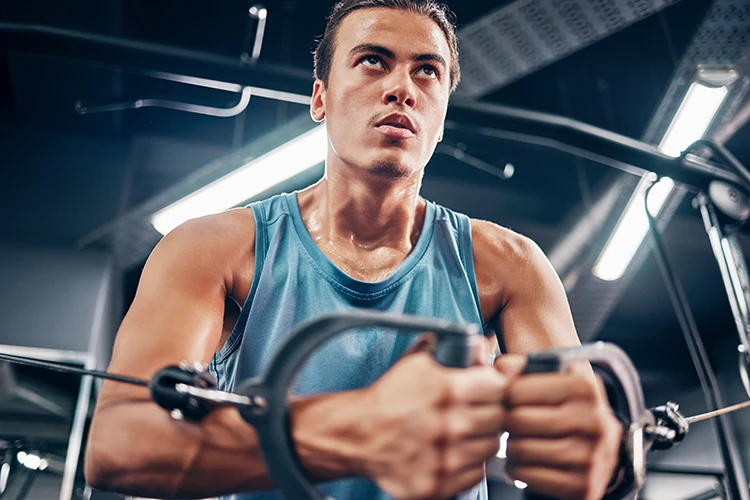
Walk into any gym, and you’ll see people lining up at the cable station, especially on chest day. There’s a reason for that. The cable chest fly has a way of making your chest work in a way that feels focused and controlled, almost like you can actually feel each rep doing its job. If your goal is to build a stronger chest, improve definition, or just move better during upper body workouts, this is one exercise worth dialing in. At TruFit Athletic Clubs, it’s a staple for members who want results without beating up their joints in the process.
What Is a Cable Chest Fly
The cable chest fly is a chest isolation movement performed on a cable machine. Instead of pressing the weight away from your body, you bring your arms inward in a wide, hugging motion. That small shift in movement changes everything. Your chest stays under tension the entire time, and you’re not relying on momentum or heavy weight to get through the rep. You can perform it standing, seated, or on an incline. Each version feels slightly different, but the goal stays the same. Keep the tension on the chest and stay in control.
Why the Cable Chest Fly Feels Different
If you’ve only used dumbbells before, the first thing you’ll notice is how steady the resistance feels. With cables, there’s no break in tension at the top or bottom of the movement. That steady pull forces your chest to stay engaged the whole time. You can’t really coast through a rep, which is exactly why people see progress when they stick with it. It also gives you more room to focus on how the movement feels instead of just getting the weight from point A to point B. Over time, that awareness makes a big difference in how your chest develops.
Muscles Worked During Cable Chest Fly
Your chest does most of the work here, especially the pectoralis major. That’s the muscle you’re trying to build and shape. Your shoulders help guide the movement, and your arms assist with control. If you’re standing, your core stays active too, helping you stay balanced while the cables pull against you. It may look like a simple exercise, but a lot is happening under the surface when it’s done right.
How to Do a Cable Chest Fly Correctly
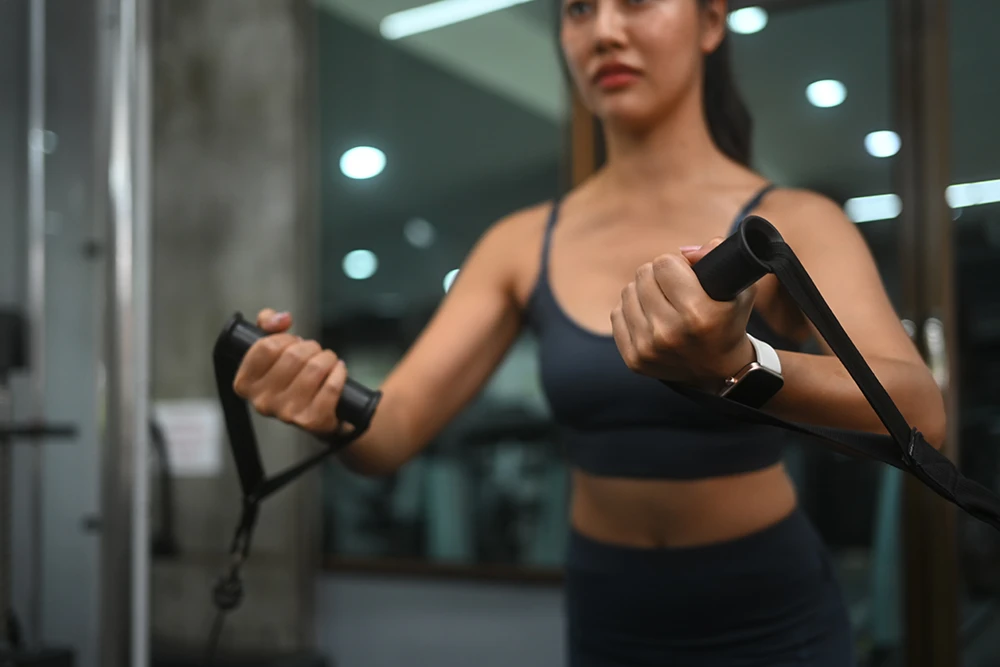
Start by setting the cables around chest height. Grab the handles and take a small step forward so the weight is already pulling slightly. From there, keep your chest up and your shoulders relaxed. Your arms should be slightly bent, not locked out and not overly tucked in. As you bring your hands together, think about wrapping your arms around a barrel. That cue tends to click for a lot of people. When your hands meet in front of you, pause for a second and really squeeze your chest. On the way back, don’t let the weight yank your arms open. Control that part just as much as the forward motion. That’s where a lot of the benefit comes from.
Mistakes That Sneak In
This is one of those exercises where small details matter more than people expect. Going too heavy is the big one. You’ll see it all the time. The movement turns into a half press, the range of motion gets shorter, and the chest isn’t doing much of the work anymore. Another thing to watch is your shoulders. If they start creeping forward, you lose tension in the chest and shift stress where you don’t want it. Then there’s speed. Fast reps might feel productive, but they usually mean you’re letting momentum take over. Slowing things down almost always fixes that.
Cable Chest Fly Variations to Try
Once you’ve got the basic version down, changing the angle keeps things interesting and helps you hit different parts of your chest.
- High to low cable fly to bring more attention to the lower chest
- Low to high cable fly to shift focus upward
- Single arm cable fly when you want to clean up imbalances
- Seated cable fly for a more stable setup
You don’t need to do all of these in one workout. Rotating them over time is enough to keep your training from feeling stale.
Cable Chest Fly vs Dumbbell Fly
Both exercises can work well, but they feel very different once you try them side by side. Dumbbell flys depend on gravity, so the resistance changes as you move. At certain points, it almost disappears. With cables, that doesn’t happen. The tension stays consistent, which makes each rep feel more controlled.
Dumbbells are still useful, especially for coordination and stability. Cables just make it easier to stay locked in on the chest without worrying about balancing the weight. Most people benefit from having both in their routine instead of choosing one over the other.
How to Add Cable Chest Fly to Your Workout
This movement usually fits best after your main lifts. Once you’ve done presses or other heavier exercises, the cable chest fly lets you slow things down and really focus on the muscle. Stick with a weight that you can control for the entire set. Around 10 to 15 reps works well for most people, and three to four sets is a solid place to start. You can also mix it into circuits or group fitness sessions if you like a faster pace. It plays well with push-ups and other upper-body movements.
Why It Works for Beginners and Regular Gym Goers
Some exercises feel intimidating at first. This isn’t one of them. The cable chest fly is easy to learn, and the machine does a lot of the setup work for you. If you’re new, you can start light and focus on how the movement feels. If you’ve been training for a while, you can adjust the angles, increase the weight, and fine-tune your form. That flexibility is what keeps it in people’s routines long term.
Build a Stronger Chest at TruFit Athletic Clubs
Some exercises come and go, but the cable chest fly tends to stick around for a reason. It’s simple, effective, and easy to adjust as you get stronger.
If you’re looking to build your chest without overcomplicating your workouts, this is a great place to start. And once you feel that connection during a set, you’ll understand why so many people keep coming back to it.
Ready to feel the difference in your workouts? Join TruFit Athletic Clubs and start training with purpose today.
Get Started!
FAQs About Cable Chest Fly
What muscles does the cable chest fly work
It mainly targets the chest, with the shoulders and arms assisting. Your core also helps keep you stable during the movement.
Is cable chest fly better than bench press
They serve different roles. The bench press builds overall strength, while the cable chest fly focuses more on isolating the chest.
How heavy should I go on cable chest fly
Use a weight you can control without losing form. If the movement feels rushed or uneven, it’s a sign to lighten the load.
Can beginners do cable chest fly
Yes, it’s beginner friendly. Starting light and learning the motion goes a long way.
How many reps for cable chest fly
Most people do well with 10 to 15 reps for a few sets. It gives you enough volume without sacrificing control.
Are cable chest flys good for building chest size
They are. The steady tension and full range of motion make them a strong addition to any chest-focused workout.