
Glute exercises are some of the most important movements you can include in any strength training or lower body workout routine. Strong glutes do more than improve how you look; they are essential for building lower body strength, improving posture, supporting athletic performance, and protecting your knees and lower back. If your goal is to build muscle, lose body fat, increase strength, or improve overall fitness, prioritizing glute training can significantly elevate your results and performance.
The glutes are the largest and most powerful muscle group in the human body, and when trained correctly, they drive nearly every major lower body movement. Squatting, running, jumping, lifting, and even walking all rely heavily on glute activation. That’s why the best glute exercises focus on hip extension, stability, and progressive overload to build strength and visible muscle.
Why Training Your Glutes Is So Important
Your glutes are made up of three muscles: the gluteus maximus, gluteus medius, and gluteus minimus. The gluteus maximus is responsible for hip extension and gives the glutes their size and power. The medius and minimus stabilize the pelvis and control hip movement, which is crucial for balance and injury prevention.
When these muscles are weak or undertrained, other areas of the body compensate. This can lead to lower back discomfort, poor posture, knee pain, and reduced athletic performance. Strong glutes, on the other hand, improve movement efficiency and help you lift heavier weight safely. They also enhance overall lower body strength, making exercises like squats and deadlifts more effective.
With so much time spent sitting each day, many people develop weakened or underactive glutes due to prolonged inactivity. Targeted glute exercises help wake up and strengthen these muscles, improving balance, stability, and the way your body moves throughout daily activities.
The Best Glute Exercises at the Gym
Once you understand why glute strength matters, the next step is choosing the right exercises to develop them effectively. While bodyweight movements can be effective, gym-based glute exercises allow for progressive overload, which is the key to muscle growth. Increasing resistance over time forces the muscles to adapt, leading to strength gains and improved muscle definition.
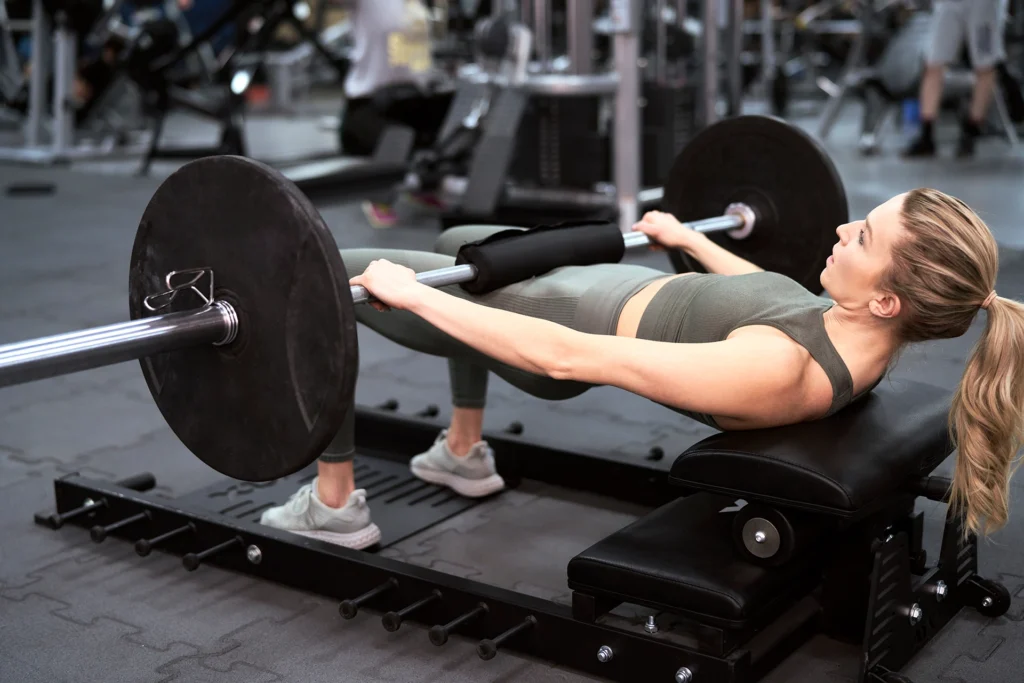
Barbell Hip Thrust
One of the most effective glute exercises for building strength and size is the barbell hip thrust. This movement directly targets the gluteus maximus by loading the hips in a horizontal position. By driving through your heels and fully extending the hips at the top of the movement, you maximize glute engagement. Many lifters find that hip thrusts create a stronger glute contraction than traditional squats.
Squats
Squats are another foundational glute exercise. Whether performed as back squats or front squats, this compound movement recruits multiple lower body muscles while heavily engaging the glutes, particularly at deeper ranges of motion. Proper depth and controlled movement are essential to fully activate the glutes during squats.
Romanian deadlifts
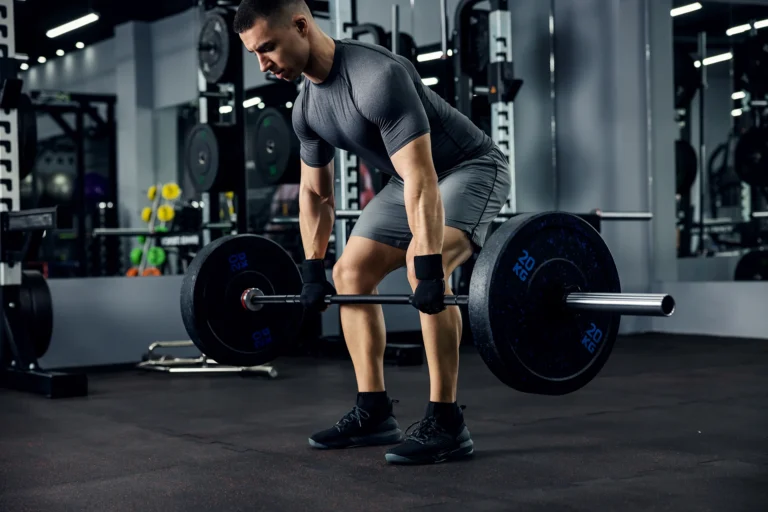
Romanian deadlifts are equally powerful for glute development because they emphasize the hip hinge pattern that directly loads the glutes under stretch. This hip hinge movement emphasizes the stretch and contraction of the glutes and hamstrings. Maintaining a neutral spine and focusing on pushing the hips backward helps ensure the glutes do most of the work.
Unilateral exercises
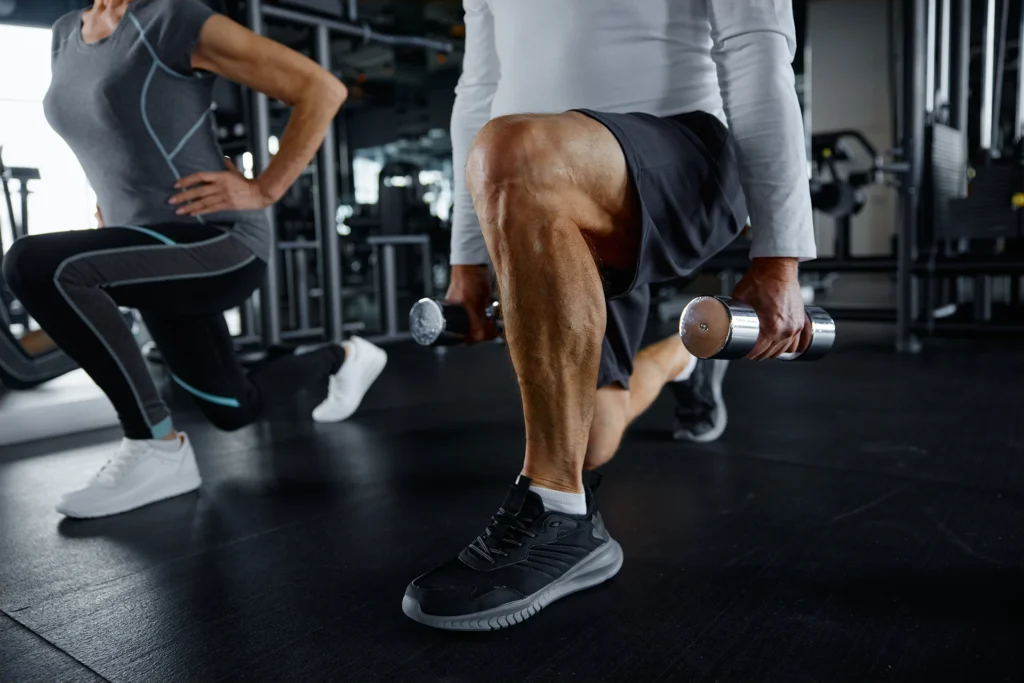
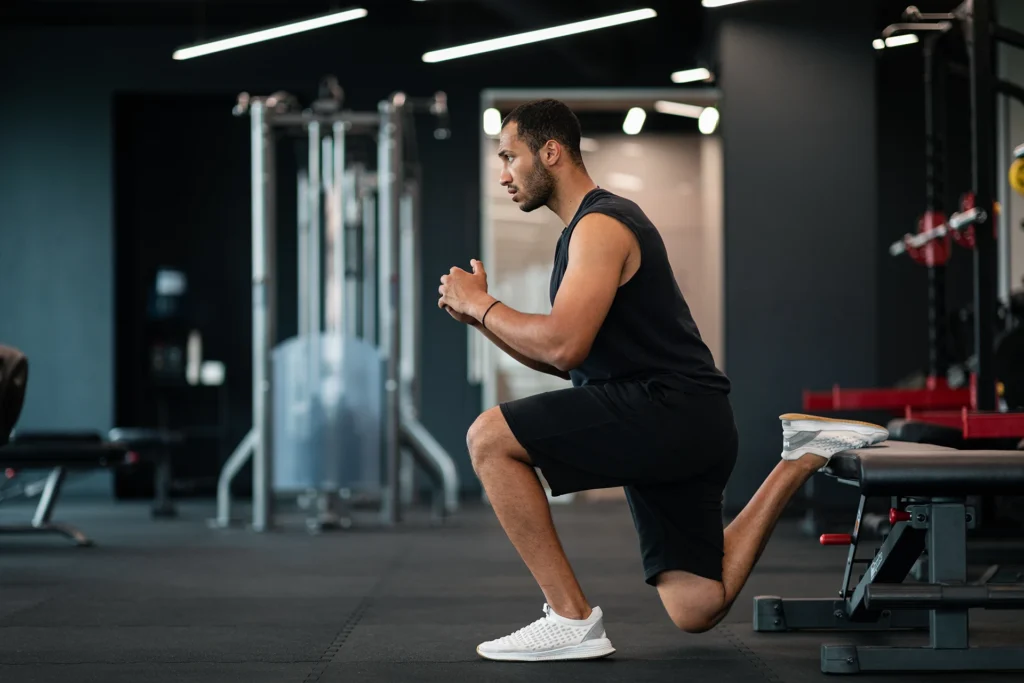
Unilateral exercises such as Bulgarian split squats and walking lunges also play an important role. Training one leg at a time improves muscle balance and stability while increasing glute activation. Cable kickbacks and machine-based movements can further isolate the glutes, allowing for focused contraction and improved mind-muscle connection. Kettlebell swings add a dynamic, explosive element to glute training. By driving the hips forward forcefully, you train power and hip extension strength, which translates well to sports and functional movement.
Glute Exercises for Beginners
If you are new to strength training or just starting a glute workout routine, beginning with controlled, foundational movements is essential. Bodyweight squats, glute bridges, reverse lunges, and step-ups provide an excellent introduction to glute training. These exercises teach proper movement mechanics and help develop coordination before heavier weights are introduced.
Beginners should focus on mastering technique and building consistency. Training glutes two to three times per week allows for steady progress while giving muscles adequate time to recover. As strength improves, resistance can be added gradually through dumbbells, barbells, or machines.
The key during the early stages is developing a strong mind-muscle connection. Slowing down repetitions, controlling the eccentric portion of each lift, and consciously squeezing the glutes at the top of movements can significantly improve activation.
Can You Build Glutes at Home?
It is absolutely possible to strengthen your glutes at home, especially if you are just starting out. Exercises such as donkey kicks, fire hydrants, single-leg glute bridges, and jump squats can provide a meaningful stimulus when performed with proper intensity and control.
However, long-term muscle growth and noticeable glute development require progressive overload. At some point, increasing resistance becomes necessary to continue seeing results. Gym equipment such as barbells, cable machines, and plate-loaded machines make it easier to challenge the glutes in ways that bodyweight exercises alone cannot.
For those serious about building strength and noticeable muscle development, combining foundational movements with access to gym equipment offers the most efficient path forward.
How to Structure an Effective Glute Workout
An effective glute workout should combine compound lifts with accessory movements. Compound exercises such as squats, hip thrusts, and deadlifts allow you to lift heavier loads and stimulate overall muscle growth. Accessory movements like cable kickbacks or split squats help target specific areas of the glutes and improve muscle balance.
A typical intermediate glute workout might begin with a heavy compound movement for lower repetitions, followed by two to three accessory exercises performed at moderate rep ranges. Rest periods should allow for adequate recovery while maintaining intensity.
Progression is critical. Over time, increasing weight, adding repetitions, or improving technique ensures continued adaptation. Tracking your workouts, increasing load gradually, and training through a full range of motion are what separate random workouts from a results-driven glute workout plan. Without progression, results will plateau.
Common Glute Training Mistakes
Many people struggle to see results because they unknowingly make simple mistakes. One of the most common issues is using too much weight too soon. When the load is excessive, other muscles compensate, reducing glute activation. Focusing on controlled movement and proper range of motion is far more effective than lifting heavier with poor form.
Another common mistake is neglecting warm-up and activation work. Performing light resistance band exercises before heavy lifts can help activate the glutes and improve performance during compound movements.
Inconsistent training frequency also limits progress. Training glutes only once per week may not provide enough stimulus for significant growth. Most individuals benefit from two to three focused sessions per week.
How Often Should You Train Glutes?
For optimal strength and muscle development, glutes should generally be trained two to three times per week. This frequency allows for adequate recovery while providing consistent stimulus. Recovery plays a vital role in muscle growth, so ensuring sufficient rest, hydration, and nutrition is just as important as the workout itself.
Advanced lifters may incorporate glute-focused sessions alongside lower body training days, adjusting volume and intensity to avoid overtraining. Listening to your body and gradually increasing workload helps maintain steady progress.
Train Your Glutes at TruFit Athletic Clubs
Building stronger glutes requires more than random workouts. It requires structure, equipment, and a motivating environment. TruFit Athletic Clubs provide access to full free weight areas, strength machines, cable systems, and functional training spaces designed to support progressive training.
Whether you are a beginner learning proper squat mechanics or an experienced lifter pushing heavier hip thrusts, having access to professional-grade equipment makes a measurable difference. Personal trainers are also available to guide form, create customized programs, and help you reach your fitness goals safely and efficiently.
A supportive gym environment can make the difference between inconsistent workouts and long-term results. When you have the right tools and guidance, building strength becomes both achievable and sustainable.
Ready to Build Stronger Glutes?
If your goal is stronger legs, improved performance, and noticeable lower body development, now is the time to commit to structured glute training. Consistency, progressive overload, and proper technique are the foundations of real results.
TruFit Athletic Clubs provide the space, equipment, and expert support needed to take your glute workout to the next level. Join today and start building stronger glutes in a results-driven gym environment designed for every fitness level. Get Started Now!
Frequently Asked Questions About Glute Exercises
- What are the best glute exercises for muscle growth?
The most effective glute exercises for growth include barbell hip thrusts, squats, Romanian deadlifts, and Bulgarian split squats. These movements allow you to progressively increase resistance while targeting the primary glute muscles. - How many glute exercises should I do in one workout?
Most effective glute workouts include three to five exercises, combining at least one compound lift with accessory movements. This allows you to build strength while fully targeting the glute muscles from multiple angles. - How long does it take to see results from glute workouts?
Strength improvements can often be felt within three to four weeks of consistent training. Visible muscle growth typically takes six to eight weeks or longer, depending on training intensity, nutrition, and overall consistency. - Can I grow my glutes without lifting heavy weights?
Beginners can see progress using bodyweight exercises, but long-term muscle development requires progressive overload. Gradually increasing resistance helps stimulate continued growth. - Are squats enough to build glutes?
Squats are highly effective but work best when combined with other glute-focused exercises such as hip thrusts and deadlifts. A balanced program produces the strongest results. - Should I feel glute exercises in my lower back?
You should primarily feel glute exercises in your hips and glute muscles. Excessive lower back strain may indicate improper form and should be corrected before increasing weight.