
The push pull legs workout split is one of the most effective and sustainable ways to train in the gym. It’s simple enough for beginners, flexible enough for busy schedules, and powerful enough to support long-term strength and muscle growth.
If you’ve ever felt overwhelmed by complicated programs or stalled on routines that don’t seem to progress, push pull legs offers a clear structure that aligns with how your body actually moves. Instead of isolating muscles randomly, it groups them based on function. That means better workouts, better recovery, and better results.
This guide breaks down everything you need to know about the push pull legs split. You’ll learn how it works, why it’s so popular, how to structure your week, and how to apply it inside a real gym environment like TruFit Athletic Clubs.
What Is Push Pull Legs?
The push pull legs split is a training system that divides workouts into three movement-based categories:
- Push
- Pull
- Legs
Each workout targets muscle groups that naturally work together. Instead of training one body part per day or hitting everything in a single session, push pull legs organizes training around biomechanics.
The Basic Definition
A push pull legs split is structured as follows:
- Push day focuses on pressing movements
- Pull day focuses on pulling movements
- Legs day focuses on lower-body movements
This approach minimizes overlap between workouts and allows muscles to recover fully before being trained again.
How the Structure Works
On a push day, you train muscles involved in pressing weight away from your body. On a pull day, you train muscles involved in pulling weight toward your body. Leg day is dedicated entirely to the lower body.
Because these muscle groups don’t heavily interfere with one another, you can train with higher quality effort each session. You’re not limited by leftover fatigue from the day before.
Why It’s So Popular
Push pull legs has become popular because it solves common training problems:
- It’s easy to understand
- It scales well with experience
- It supports progressive overload
- It works with many schedules
Unlike trendy programs, push pull legs isn’t a shortcut. It’s a framework. When applied consistently, it produces reliable results.
Push Pull Legs Explained
Understanding what belongs on each day is the key to making this split work.
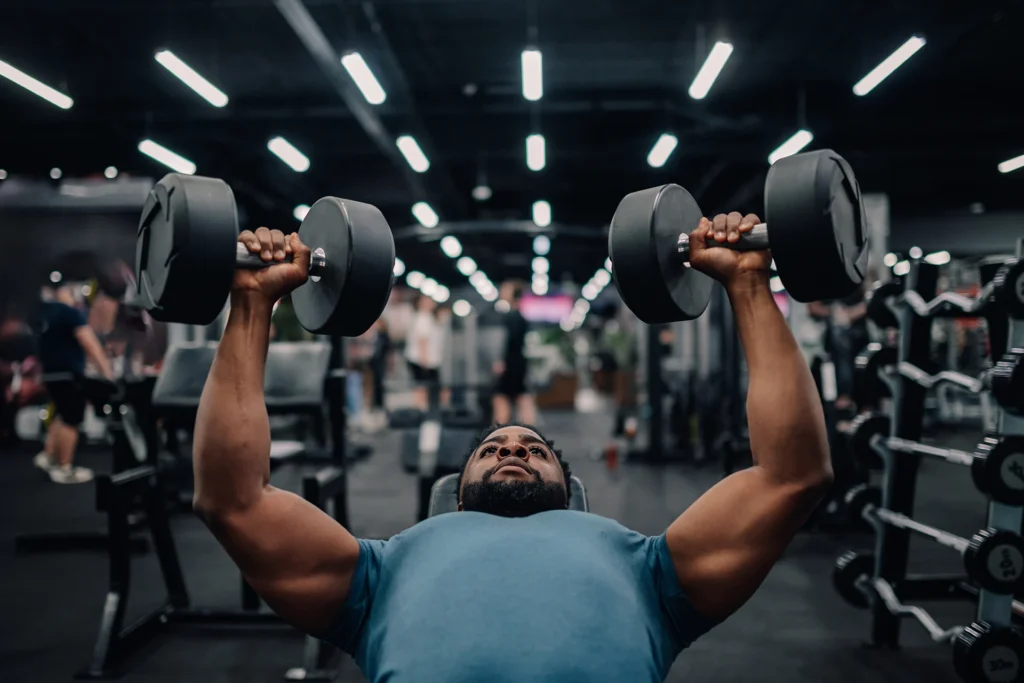
PUSH DAY
Push day includes muscles responsible for pressing movements.
- Chest
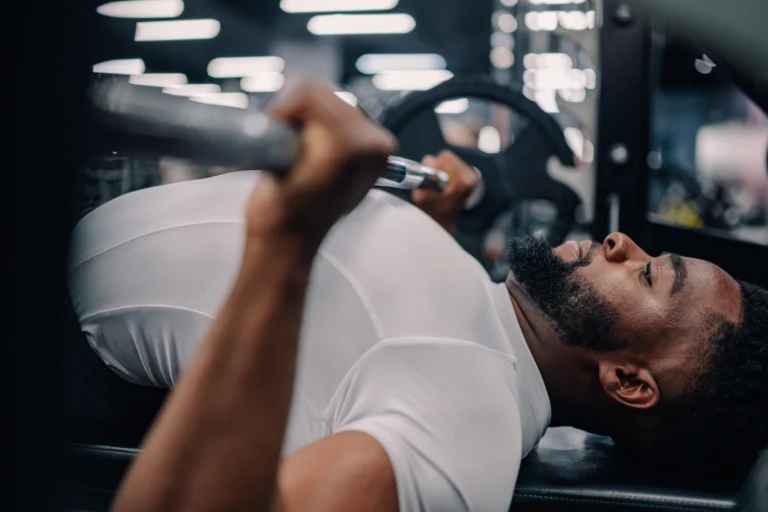
- The chest is heavily involved in horizontal pressing patterns. Exercises like bench presses, dumbbell presses, and incline presses target the chest while also involving shoulders and triceps.
- Chest movements usually come first in a push workout because they’re the most demanding and benefit from fresh energy.
- Shoulders
- Shoulder work on push day primarily targets the front and lateral deltoids. These muscles assist in pressing and help stabilize the shoulder joint.
- Overhead presses and lateral raises are common choices. Rear delts are usually saved for pull day to balance shoulder development.
- Triceps
- Triceps extend the elbow and play a major role in all pressing exercises. While they’re heavily involved in compound lifts, isolation movements help fully fatigue them.
- Push day typically ends with triceps-focused work.
- Example Push Movements
- Barbell or dumbbell bench press
- Overhead press
- Incline press
- Lateral raises
- Triceps pushdowns
- Dips
A good push workout balances compound lifts with accessories and avoids unnecessary volume.
PULL DAY
Pull day trains muscles responsible for pulling, posture, and upper-back strength.
- Back
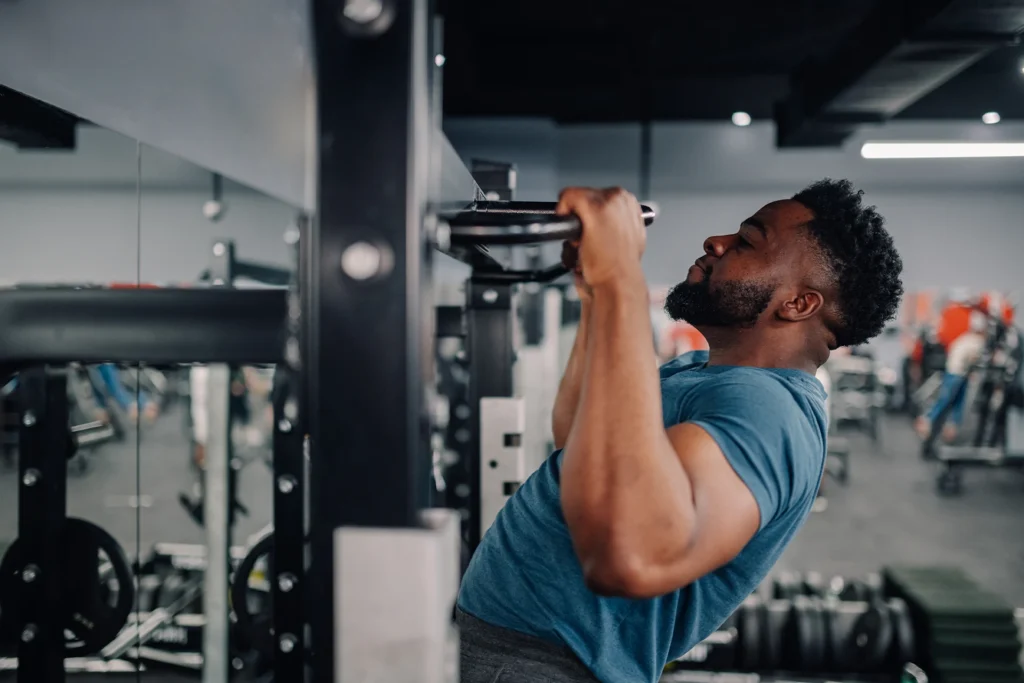
- The back includes multiple muscle groups working together. Vertical pulling movements target the lats, while horizontal pulls emphasize the upper back and mid-back.
- Balanced pull training improves posture, shoulder health, and overall strength.
- Biceps
- Biceps assist in elbow flexion and pulling strength. While they’re involved in compound pulls, direct biceps work helps maximize arm development.
- Rear Delts
- Rear delts stabilize the shoulders and counterbalance pressing volume. Neglecting them often leads to shoulder discomfort over time.
- Example Pull Movements
- Pull-ups or lat pulldowns
- Barbell, dumbbell, or cable rows
- Face pulls
- Rear delt flyes
- Biceps curls
A strong pull day includes both vertical and horizontal movements with controlled technique.
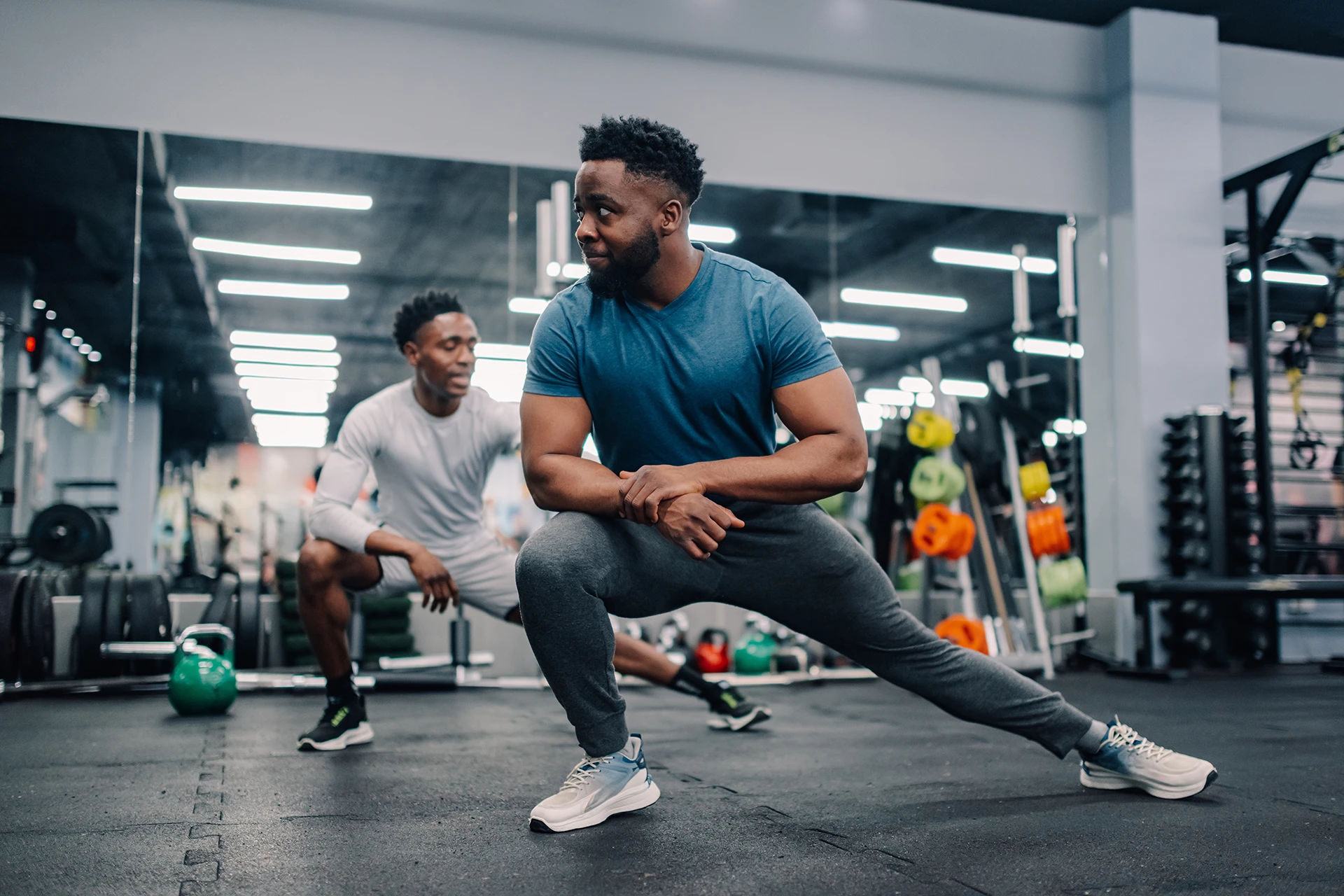
LEGS DAY
Leg day trains the largest muscle groups in the body and often demands the most recovery.
- Quadriceps
- Quads extend the knee and dominate squat and lunge patterns. Exercises that allow knee travel under control are especially effective.
- Hamstrings
- Hamstrings assist with hip extension and knee flexion. They’re best trained through hinging movements and curls.
- Glutes
- Glutes are powerful hip extensors and contribute to nearly every lower-body movement. Strong glutes support athleticism and spinal health.
- Calves
- Calves stabilize the ankle and support lower-body endurance. They respond best to consistent, loaded work.
- Example Leg Movements
- Squats or leg press
- Romanian deadlifts
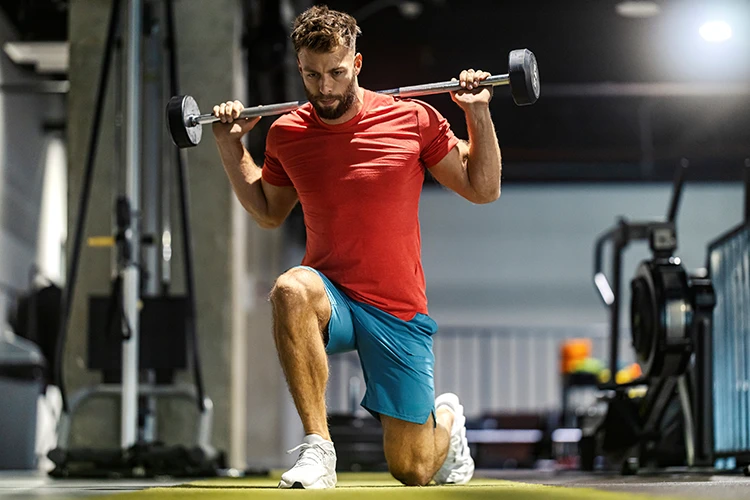
- Lunges or split squats
- Leg curls
- Calf raises
Leg workouts should include squat patterns, hinge patterns, and unilateral work for balance.
Benefits of the Push Pull Legs Split
Push pull legs isn’t just popular. It’s effective for specific reasons.
- Efficient Muscle Grouping
- Training muscles that work together allows you to maximize effort without unnecessary overlap. This leads to better workouts with less wasted energy.
- Improved Recovery
- Because muscle groups aren’t repeatedly stressed on consecutive days, recovery improves. This reduces soreness and allows for more consistent training.
- Flexible Scheduling
- Push pull legs works with many schedules. Whether you train three days or six days per week, the structure stays intact.
- Works for All Experience Levels
- Beginners can focus on learning movements. Intermediate lifters can add volume. Advanced lifters can manipulate intensity and frequency. The split grows with you.
- Push Pull Legs vs Other Workout Splits
- Compared to other popular training splits, push pull legs sits in the middle ground between simplicity and effectiveness.
- Traditional body-part splits, often called “bro splits,” usually train each muscle once per week. While this can work, progress often stalls unless volume becomes very high. Full-body workouts train everything in one session, which is efficient but can become fatiguing as weights increase.
Push pull legs offers a balance between the two. Muscles are trained frequently enough to drive growth while keeping each workout focused and manageable. This makes it especially effective for people training three to six days per week at a gym like TruFit Athletic Clubs.
Push Pull Legs Weekly Schedules
How Long Should You Run a Push Pull Legs Program?
One of the biggest mistakes lifters make is switching programs too often. Push pull legs works best when it’s followed consistently for at least eight to twelve weeks.
This time frame allows your body to adapt to the movements, improve technique, and apply progressive overload. You don’t need to change exercises every week. In fact, keeping core lifts consistent often produces better results.
Adjustments should be made when progress stalls for several weeks, not simply because workouts feel familiar.
3-Day Push Pull Legs
This is ideal for beginners or busy schedules.
- Day 1: Push
- Day 2: Pull
- Day 3: Legs
Each muscle group is trained once per week. Recovery demands are minimal, making consistency easier.
4-Day Push Pull Legs
This version adds flexibility.
- Day 1: Push
- Day 2: Pull
- Day 3: Rest
- Day 4: Legs
It’s a good option when leg workouts are demanding or recovery is a priority.
6-Day Push Pull Legs
This is a higher-frequency approach.
- Push
- Pull
- Legs
- Push
- Pull
- Legs
Each muscle group is trained twice per week with slightly lower volume per session. This version works best when sleep and nutrition are solid.
Sample Push Pull Legs Workouts
Push Workout Example
Start with compound lifts, then move to accessories.
Bench press or dumbbell press
Overhead press
Incline dumbbell press
Lateral raises
Triceps pushdowns
Rest longer on compounds, shorter on accessories.
Pull Workout Example
Balance vertical and horizontal pulling.
Pull-ups or lat pulldowns
Barbell or dumbbell rows
Seated cable rows
Face pulls
Biceps curls
Focus on posture and controlled movement.
Legs Workout Example
Include multiple movement patterns.
Squat or leg press
Romanian deadlift
Walking lunges or split squats
Leg curls
Calf raises
Warm up thoroughly and allow adequate rest.
Push Pull Legs for Fat Loss vs Muscle Gain
The push pull legs split can support both fat loss and muscle gain. The difference lies in how workouts are executed.
For fat loss, workouts typically use moderate weights, slightly higher reps, and shorter rest periods. Supersets and circuits increase calorie expenditure while maintaining muscle mass.
For muscle gain, rest periods are longer and loads are heavier. Compound lifts become the priority, and total volume is managed carefully to support recovery.
The split itself does not change. Only intensity, volume, and rest do.
Nutrition Basics to Support a Push Pull Legs Split
Training structure matters, but nutrition determines recovery and results.
Adequate protein intake supports muscle repair. Carbohydrates fuel performance, especially on leg days. Fats support hormone health and long-term recovery.
For fat loss, protein becomes even more important to preserve lean mass. For muscle gain, total calories must support growth.
Hydration also plays a role. Even mild dehydration can reduce strength and endurance in the gym.
Progression in a Push Pull Legs Program
Progression is what turns workouts into results.
Progress can come from:
- Adding weight
- Increasing reps
- Improving technique
- Increasing training frequency
Without progression, push pull legs becomes maintenance instead of growth. Track your lifts. Aim to improve one variable at a time.
Signs Your Push Pull Legs Split Needs Adjustment (NEW SUBSECTION)
While push pull legs is flexible, it still needs to be monitored.
Persistent soreness that doesn’t improve, stalled progress across multiple lifts, or constant fatigue are signs something needs adjustment. These issues often come from excessive volume, insufficient recovery, or poor exercise selection.
Reducing volume slightly, improving sleep, or adjusting loads usually resolves the issue without abandoning the split.
Common Push Pull Legs Mistakes
One common mistake is excessive volume. More exercises don’t equal better results. Quality matters.
Skipping leg day is another issue. Lower-body training supports overall strength and metabolism.
Poor recovery habits stall progress quickly. Sleep and nutrition are not optional.
Finally, many people follow the split without a plan. Random workouts lead to random results.
Who Should Use the Push Pull Legs Split
Push pull legs is ideal for:
- Beginners who want structure
- Intermediate lifters seeking balance
- Advanced lifters managing volume
- Anyone training 3–6 days per week
It may not be ideal for people with extremely limited time or those rehabbing injuries without guidance.

How to Track Progress on a Push Pull Legs Split
One reason people think push pull legs “stops working” is because they’re not tracking progress clearly. Without simple benchmarks, it’s easy to feel like you’re spinning your wheels even when progress is happening.
Progress on a push pull legs split doesn’t come only from adding weight every week. While load increases are important, they’re just one metric. Improvements in reps, control, range of motion, and recovery all count.
For compound lifts like presses, rows, and squats, tracking sets, reps, and weight is usually enough. If you can perform the same movement with better form or less rest, that’s progress. For accessory exercises, increasing total reps or slowing the tempo while maintaining control is often more realistic than chasing heavier weights.
Another overlooked marker is recovery. If you’re training the same schedule but feel less sore, more stable, and more confident under load, your body is adapting. That adaptation is the foundation for long-term strength and muscle growth.
The key is consistency. Track a small number of lifts, review them weekly, and aim to improve one variable at a time. When progress is measured clearly, push pull legs becomes far more motivating and sustainable.
How to Get Started at the Gym
Getting started is about simplicity. Choose a schedule you can stick to. Pick a few core movements for each day. Focus on technique before weight.
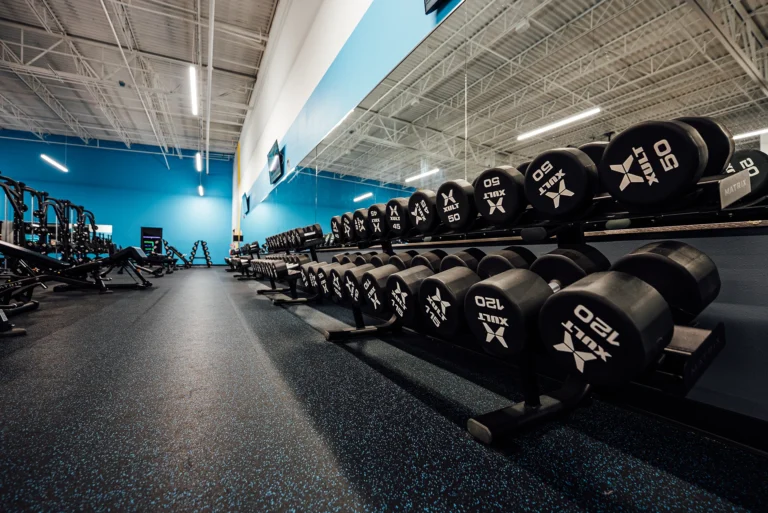
A gym environment with space, equipment, and support makes this easier. TruFit Athletic Clubs provides free weights, machines, and open space to run a push pull legs split effectively.
Warm-Up and Mobility for Push Pull Legs
A proper warm-up improves performance and reduces injury risk.
Push days benefit from shoulder mobility and light pressing movements. Pull days should include scapular activation and upper-back engagement. Leg days require dynamic hip, knee, and ankle preparation.
Warm-ups don’t need to be long. Five to ten focused minutes is enough to prepare the body without causing fatigue.
When to Work With a Trainer
A trainer helps:
- Improve exercise selection
- Correct form
- Manage volume and recovery
- Customize progression
This is especially valuable if you’re new, returning after time off, or plateaued.
Final Thoughts on Push Pull Legs
The push pull legs workout split works because it respects how the body moves and recovers. It’s structured without being rigid and simple without being limiting.
If you want a program that supports consistency, strength, and long-term progress, push pull legs is one of the best places to start.
Get started with the push pull legs split at TruFit Athletic Clubs today
Push Pull Legs FAQs
- Is push pull legs good for beginners?
Yes. Beginners can start with low volume and focus on learning movement patterns safely. - How long should workouts be?
Most sessions last 60 to 75 minutes depending on rest and volume. - Can push pull legs build muscle?
Yes. With progressive overload and proper nutrition, it’s highly effective for hypertrophy. - Is it better than full body workouts?
Neither is universally better. Push pull legs allows more volume per muscle group, while full body emphasizes frequency.