
If you walk into almost any gym on leg day, you’ll see people lining up for machines. Leg press, hack squat, extensions, curls. Meanwhile, the dumbbell rack often sits half empty. That’s a mistake.
Dumbbells are one of the most effective tools for building strong, balanced legs. They allow natural movement, force each leg to work independently, and challenge stabilizing muscles that machines simply don’t touch. When you train legs with dumbbells in a gym setting, you get the best of both worlds: freedom of movement and access to benches, racks, open floor space, and heavier weights.
This article breaks down exactly how to use dumbbells for leg training at the gym. You’ll learn which muscles are targeted, the best exercises to prioritize, how to structure full workouts, and how to progress safely over time. Whether you’re new to leg day or looking to upgrade your current routine, this guide shows how dumbbells can do far more than most people realize.
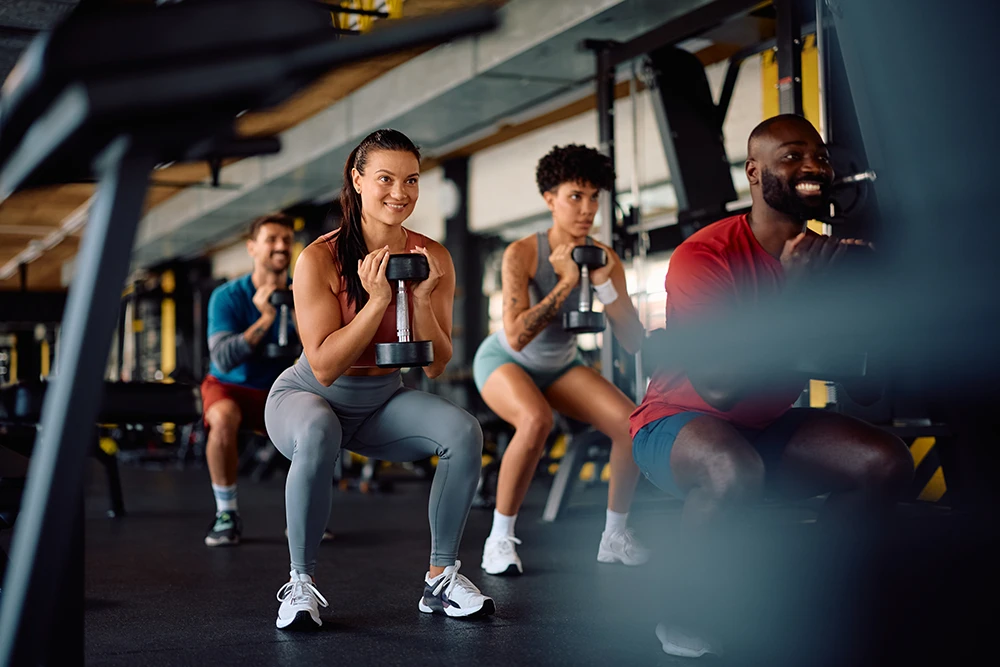
Why Dumbbells Belong in Your Gym Leg Workout
Dumbbells are often seen as secondary tools, something you use when machines are taken or barbells feel intimidating. In reality, they deserve a central place in your leg training.
One of the biggest advantages of dumbbells is range of motion. Unlike machines that lock you into a fixed path, dumbbells allow your hips, knees, and ankles to move naturally. That freedom leads to better joint alignment and more complete muscle activation when exercises are performed correctly.
Dumbbells are also easier on the joints than heavy barbell loading for many lifters. Because each arm holds its own weight, the load is often lower overall, even though the muscles are working just as hard. This makes dumbbell leg training especially valuable for people managing knee, hip, or lower-back stress.
Unilateral training is another major benefit. Exercises like lunges, split squats, and step-ups force each leg to pull its own weight. This exposes strength imbalances and helps correct them, which carries over to better performance in squats, deadlifts, and athletic movement.
Finally, dumbbells are practical. In a crowded gym, machines and squat racks are often taken. Dumbbells give you options. With a bench and a bit of floor space, you can complete an entire leg workout without waiting on equipment.
Leg Muscles Targeted With Dumbbells
Dumbbell leg exercises don’t just “hit legs” in a generic way. Different movements emphasize different muscles, and the gym environment allows you to load those muscles effectively.
Quadriceps
The quads are heavily involved in squat patterns, lunges, step-ups, and front-loaded movements like goblet squats. Dumbbells increase quad demand when the torso stays upright and the knees travel forward under control.
Hamstrings
Hamstrings are loaded through hip hinge movements such as dumbbell Romanian deadlifts and deficit lunges. Unlike machines that isolate knee flexion, dumbbells train the hamstrings in their role as hip extensors, which is more transferable to real movement.
Glutes
Glutes do most of the work in split squats, step-ups, sumo squats, and lunges. Dumbbells allow you to load these movements while maintaining balance and depth, especially when benches and boxes are available.
Calves
Calves respond well to loaded standing work. Holding dumbbells increases resistance without compressing the spine the way a barbell can. Gym access makes it easy to perform calf raises on steps or platforms for extra range of motion.
Core and Stabilizers
Every dumbbell leg exercise requires core engagement. Unilateral movements, in particular, challenge balance and posture. This trains the core, hips, and smaller stabilizing muscles that machines largely bypass.
Best Dumbbell Leg Exercises to Do
Dumbbell leg exercises outperform many machines because they demand coordination, stability, and full-body tension. When performed with good form, they build strength that carries over to everything else you do in the gym.
Dumbbell Goblet Squat
The goblet squat is one of the best leg exercises for learning proper squat mechanics.
Set up in an open gym floor or squat area. Hold a dumbbell vertically at chest height, close to your body. Keep your feet about shoulder-width apart.
Lower into a squat by sitting between your hips, keeping your chest tall and elbows inside your knees. Push through mid-foot to stand.
Trainer cues include keeping the ribs down, maintaining tension through the core, and reaching depth without collapsing forward.
Common mistakes include holding the dumbbell too far from the body, letting the knees cave inward, or cutting depth short.
Dumbbell Romanian Deadlift (RDL)
The dumbbell RDL trains hamstrings and glutes while reinforcing proper hip hinge mechanics.
Hold dumbbells at your sides, soften the knees slightly, and push the hips back as the weights slide down your thighs. Keep the spine neutral and stop when you feel a deep stretch in the hamstrings.
Drive the hips forward to stand. Avoid turning the movement into a squat or rounding the lower back.
Dumbbell Walking Lunges (Gym Floor or Turf)
Walking lunges are ideal in a gym with open space or turf lanes.
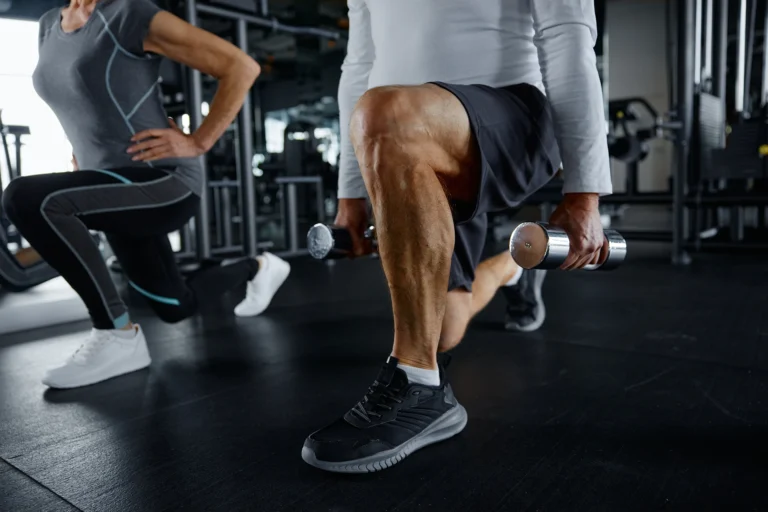
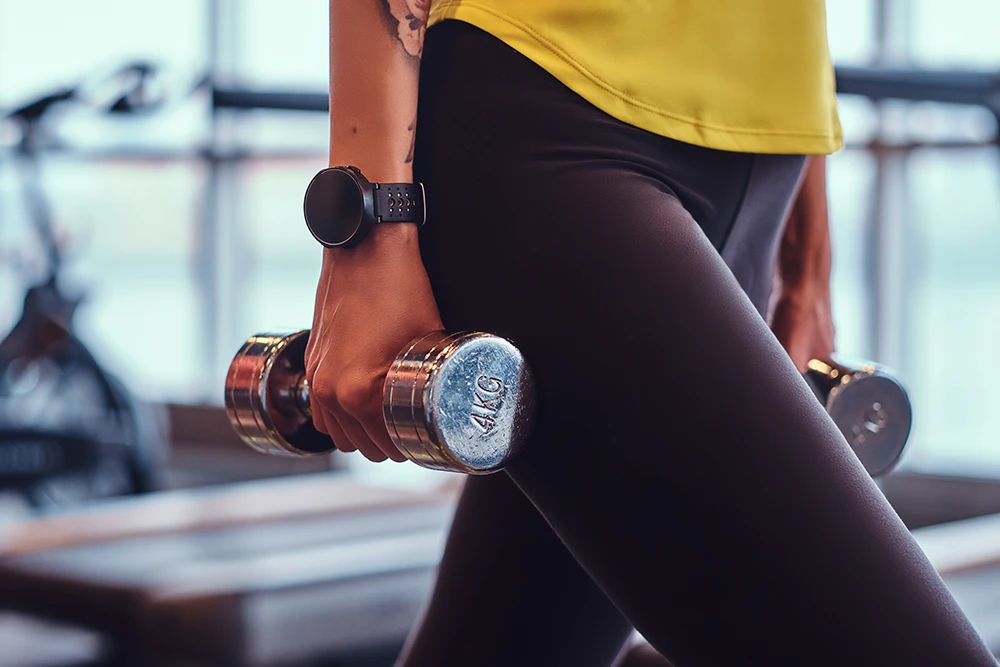
Hold dumbbells at your sides and take long, controlled steps forward. Lower until the back knee nearly touches the floor, then drive through the front leg to step into the next lunge.
Focus on balance, posture, and equal effort from both legs. Rushing through lunges or taking short steps reduces their effectiveness.
Dumbbell Bulgarian Split Squat (Using Bench)
This is one of the most demanding leg exercises you can do with dumbbells.
Set your rear foot on a bench and hold dumbbells at your sides. Lower slowly until the front thigh is near parallel, keeping the torso slightly forward and the front heel planted.
This exercise heavily loads the quads and glutes while exposing strength differences between legs. Proper bench height and foot placement are critical for comfort and safety.
Dumbbell Step-Ups (Using Plyo Box or Bench)
Step-ups train single-leg strength with minimal joint stress when performed correctly.
Hold dumbbells at your sides and step onto a box or bench with one foot. Drive through that leg to stand fully on top, then lower under control.
Avoid pushing off the trailing leg or bouncing at the bottom.
Dumbbell Sumo Squat
The sumo squat shifts emphasis toward the inner thighs and glutes.
Take a wide stance with toes slightly turned out and hold a dumbbell between your legs. Sit back and down, keeping the chest tall.
This variation is especially useful for lifters who struggle with traditional squat depth.
Dumbbell Standing Calf Raises
Hold dumbbells at your sides and stand on a step or platform. Lower the heels slowly, then rise up onto the balls of the feet.
Use full range of motion and controlled tempo. Calves respond best to patience, not bouncing.
Dumbbell Front Squat
Holding two dumbbells at shoulder height increases quad demand and core engagement.
Keep the elbows high and torso upright as you squat. This movement is more challenging than goblet squats and works well as a progression.
Dumbbell Deficit Lunges
Standing on a small platform increases range of motion and muscle activation.
Step backward or forward into a lunge, lowering deeper than usual. Maintain balance and control throughout the movement.
Gym Dumbbell Leg Workout Programs
Beginner Gym Dumbbell Leg Workout
This workout focuses on learning movement patterns and building confidence.
- Goblet squat: 3 sets of 10–12 reps
- Dumbbell RDL: 3 sets of 10 reps
- Reverse lunges: 3 sets of 8 reps per leg
- Standing calf raises: 3 sets of 12–15 reps
Rest 60–90 seconds between sets. Focus on form and control rather than weight.
Intermediate Gym Dumbbell Leg Workout
Volume increases and unilateral work becomes more prominent.
- Dumbbell front squat: 4 sets of 8 reps
- Walking lunges: 3 sets of 12 steps per leg
- Bulgarian split squats: 3 sets of 8 reps per leg
- Dumbbell RDL: 3 sets of 10 reps
- Calf raises: 4 sets of 12 reps
Rest 60–75 seconds. Use moderate to heavy dumbbells with clean technique.
Advanced Dumbbell Leg Workout at the Gym
This session emphasizes intensity, tempo, and efficiency.
- Superset:
- Bulgarian split squat (3-second descent): 4 sets of 6 reps per leg
- Dumbbell RDL: 4 sets of 8 reps
- Bulgarian split squat (3-second descent): 4 sets of 6 reps per leg
- Then:
- Deficit lunges: 3 sets of 10 reps per leg
- Step-ups: 3 sets of 8 reps per leg
- Deficit lunges: 3 sets of 10 reps per leg
Finish with slow calf raises and short rest periods.
How to Structure a Dumbbell Leg Day at the Gym
Start with a warm-up that prepares the hips, knees, and ankles. Light cardio, dynamic stretches, and bodyweight squats work well.
Begin your workout with compound movements like squats or RDLs. Follow with unilateral exercises such as lunges or split squats. Finish with accessory work like calves or lighter volume movements.
Dumbbells pair well with machines. You can use machines for finishing work after dumbbell exercises without sacrificing effectiveness.
Efficient sessions come from planning. Know your exercises, claim a bench if needed, and limit unnecessary rest.
Choosing the Right Dumbbell Weight in the Gym
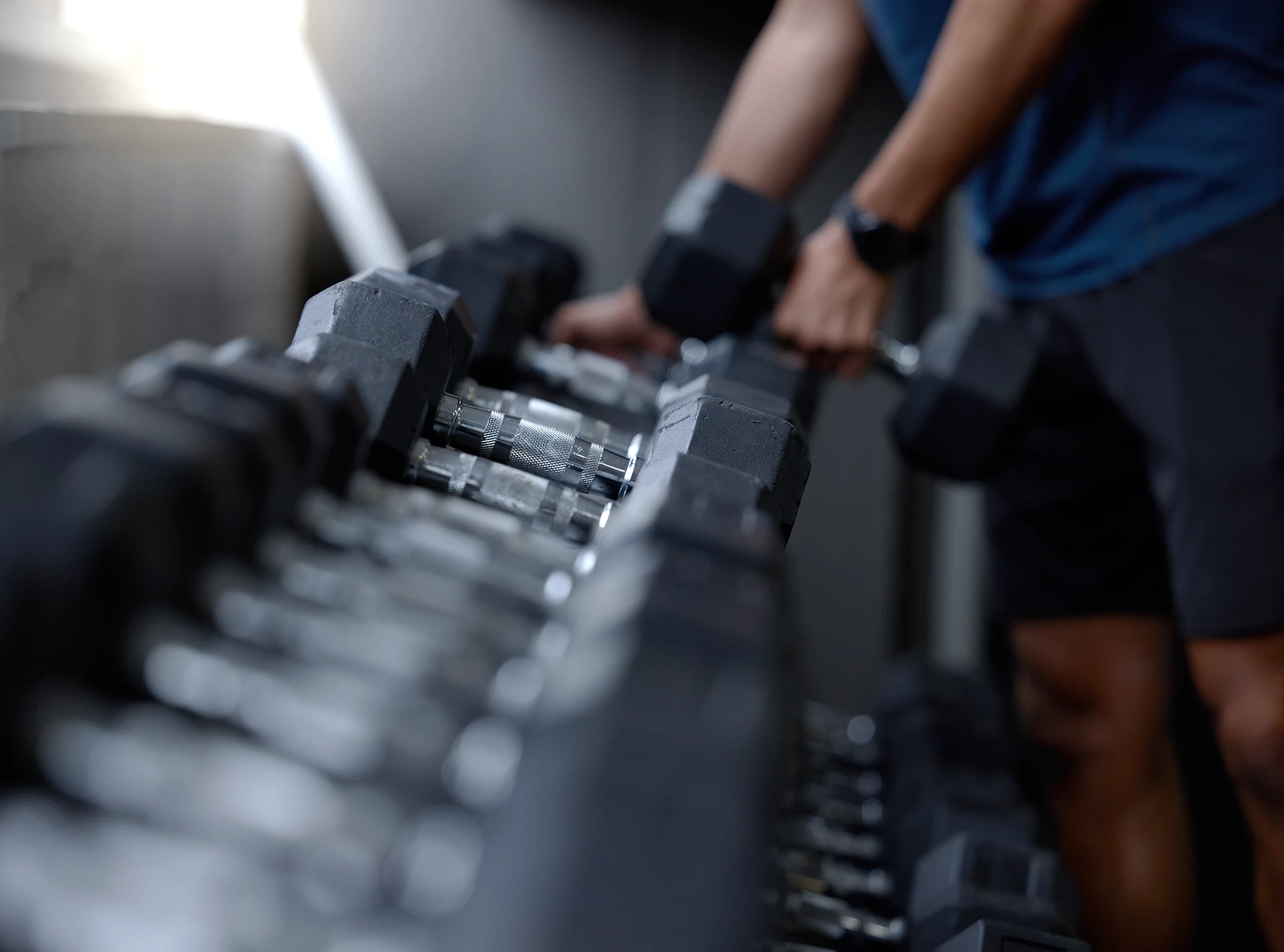
Heavier is not always better. Use weights that allow full range of motion and control.
For strength-focused work, aim for 5–8 reps with heavier dumbbells. For hypertrophy, 8–12 reps works well. Higher reps can be useful for accessories.
Progress gradually. Increase weight, reps, or tempo one variable at a time.
Common Gym Mistakes With Dumbbell Leg Workouts
Many people rely too heavily on machines and treat dumbbells as an afterthought. Others skip unilateral work entirely, missing out on balance and stability gains.
Poor bench setup for split squats leads to discomfort and poor mechanics. Ego lifting with dumbbells often results in partial reps and compromised form.
Quality always beats quantity.
How Often to Train Legs With Dumbbells
Most people benefit from training legs one to two times per week with dumbbells. They can be paired with barbell or machine-focused days or used as standalone leg sessions.
Pay attention to recovery. Soreness is normal, but persistent fatigue signals the need for better load management.
Why Dumbbell Leg Training Builds Better Balance and Athleticism
One of the biggest advantages of dumbbell leg workouts is how they challenge balance and coordination. Machines stabilize the load for you. Dumbbells do not. That difference matters more than most people realize.
When you hold dumbbells during lunges, split squats, or step-ups, your body has to constantly make small adjustments to stay upright. Your hips, ankles, and core are working alongside the primary leg muscles. Over time, this improves proprioception, joint control, and movement efficiency.
This is especially valuable for athletes and recreational lifters alike. Better balance reduces injury risk and improves performance in sports, running, and even everyday tasks like climbing stairs or carrying heavy objects. These benefits rarely come from seated or fixed-path machines.
Dumbbell training also exposes weaknesses. If one leg is weaker or less stable, it becomes obvious quickly. That feedback allows you to address imbalances before they turn into pain or plateaus.
How Tempo Changes Dumbbell Leg Results
Tempo is one of the most underused tools in dumbbell leg training. Because dumbbells usually involve lighter absolute loads than barbells, controlling tempo becomes a powerful way to increase difficulty without increasing joint stress.
Slowing down the lowering phase of a squat or split squat increases time under tension. Pausing briefly at the bottom removes momentum and forces the muscles to work harder. These techniques are especially effective for hypertrophy and control.
For example, a Bulgarian split squat with a three-second descent and a one-second pause at the bottom will feel dramatically harder than the same exercise performed quickly, even with the same weight. This makes tempo work ideal for crowded gyms, deload weeks, or anyone training around joint limitations.
Tempo also reinforces good movement habits. Rushing often hides poor form. Slowing down exposes it and helps correct it.
Dumbbell Legs for Fat Loss and Conditioning
Dumbbell leg workouts are not just for building muscle. They are also highly effective for fat loss and conditioning when programmed intelligently.
Lower-body exercises demand more energy than upper-body movements. When you combine dumbbells with compound leg patterns like lunges, squats, and step-ups, heart rate rises quickly. This creates a strong metabolic effect without relying on endless cardio.
Short rest periods, circuits, or alternating unilateral movements can turn a leg workout into a conditioning session. For example, pairing walking lunges with goblet squats or step-ups keeps the body working continuously while still building strength.
The key is intent. Fat loss does not require sloppy reps or breathless chaos. Controlled movements, moderate loads, and consistent effort produce better long-term results and are easier to recover from.
How Dumbbell Leg Training Supports Joint Health
Many people assume heavy barbell squats are the only way to build strong legs. While barbells are effective, they are not always the best choice for joint health, especially long term.
Dumbbells allow more freedom in foot placement, stance width, and depth. This makes it easier to find positions that feel comfortable for your hips and knees. Exercises like goblet squats and split squats encourage a more upright torso, which can reduce spinal loading for some lifters.
Unilateral dumbbell movements also reduce overall load while maintaining intensity. Training one leg at a time allows you to challenge the muscles without placing excessive compressive force on the spine. This is especially useful for lifters managing back discomfort or returning from injury.
Over time, improved stability and balanced strength help protect joints rather than stress them.
Combining Dumbbells With Barbells and Machines
Dumbbell leg workouts do not have to exist in isolation. In fact, many lifters see the best results when dumbbells are combined strategically with barbells and machines.
A common approach is to use barbells for primary bilateral lifts, such as squats or deadlifts, and then use dumbbells for unilateral and accessory work. This balances heavy loading with stability and control.
Another option is alternating training blocks. One phase might emphasize dumbbell leg training to address imbalances and improve movement quality. The next phase might reintroduce heavier barbell work once those issues are corrected.
Machines still have a place, especially for isolating muscles at the end of a workout. However, relying on machines as the foundation of leg training often limits long-term development. Dumbbells fill the gap between raw strength and functional movement.
Mental Benefits of Dumbbell Leg Training
Leg day is often avoided because it feels intimidating. Dumbbell training can make it more approachable without making it easier.
Using dumbbells reduces the psychological pressure many people feel under a barbell. There is less fear of being pinned or failing publicly. This allows lifters to focus on movement quality instead of anxiety.
At the same time, dumbbell leg exercises demand concentration. Balancing during split squats or controlling walking lunges keeps the mind engaged. This mental involvement often leads to better technique and more satisfying workouts.
Confidence built through dumbbell training often carries over into other lifts. When people realize how strong they are on single-leg movements, barbell work feels less daunting.
Long-Term Progress With Dumbbell Leg Workouts
One of the biggest misconceptions about dumbbells is that you will eventually “outgrow” them. In reality, very few people truly maximize dumbbell leg training.
Progress does not stop just because the dumbbells feel lighter than a barbell. You can increase difficulty through load, tempo, range of motion, unilateral emphasis, and volume. Advanced lifters still find split squats and lunges brutally effective even with moderate weights.
The goal is not to chase numbers for their own sake. It is to build legs that are strong, resilient, and capable. Dumbbells excel at that goal.
Why the Gym Environment Matters
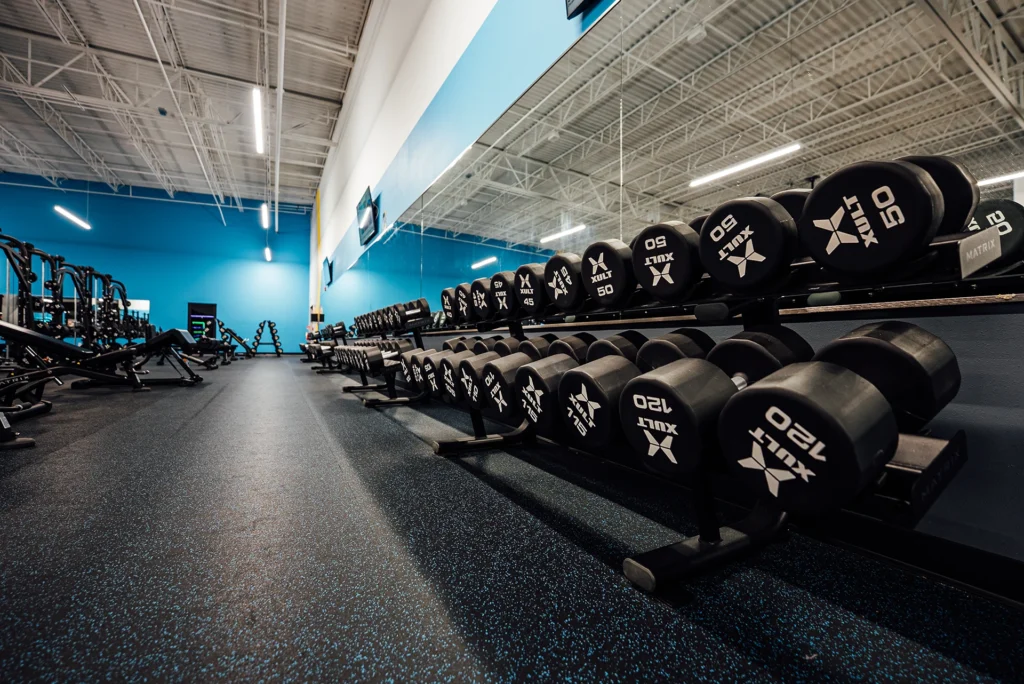
While dumbbell leg workouts can be done at home, the gym environment makes progression far easier. Access to a full range of dumbbell weights, benches of different heights, open floor space, and turf lanes expands what you can do.
That environment also creates consistency. When everything you need is available, workouts become more efficient and easier to repeat week after week.
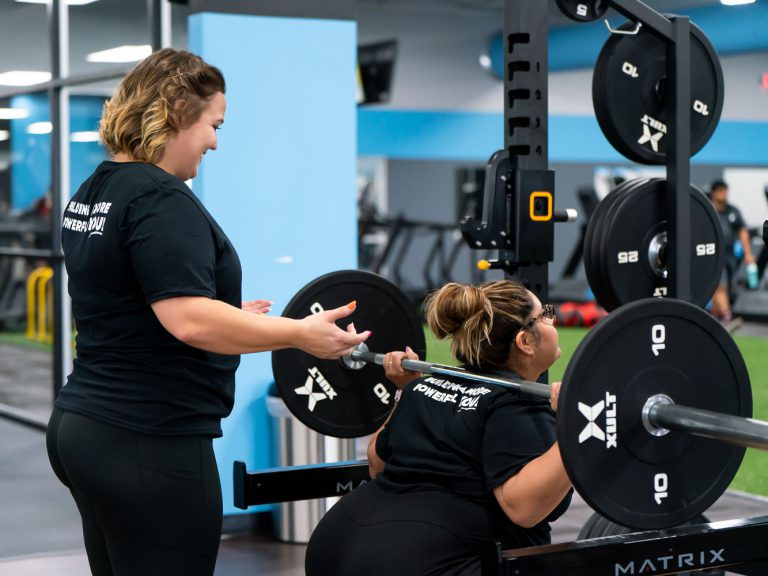
This is where training at TruFit Athletic Clubs stands out. Full dumbbell racks, space for walking lunges and split squats, and experienced personal trainers allow you to train legs with purpose instead of limitations.
Train Smarter at TruFit Athletic Club
Effective dumbbell leg training requires space, equipment, and flexibility. TruFit Athletic Clubs offers full dumbbell racks, open turf and floor space, benches, and knowledgeable personal trainers who can help refine technique and programming.
If you want leg workouts that build real strength without fighting for machines, dumbbells and the right gym environment make all the difference.
Start Your Leg Training at TruFit
Frequently Asked Questions
- Are dumbbell leg workouts effective at the gym?
Yes. When programmed properly, they build strength, muscle, and balance that carries over to all lower-body training. - Can dumbbells replace leg machines?
They can replace many machine exercises, though machines still have a place for isolation and finishing work. - Should beginners use dumbbells or machines first?
Dumbbells are excellent for beginners when taught with proper form and appropriate weight. - How heavy should dumbbells be for leg day?
Heavy enough to challenge you while maintaining full range of motion and control. Progress gradually and consistently.